


Curately AI, Inc
6495 Shiloh Rd, Suite 300, Alpharetta GA 30005
We care about your data, and we'd use cookies only to improve your experience. By using this website, you accept our cookie policy. Learn More.
Okay, I AcceptDiscover how LaborEdge and Curately helped a healthcare staffing firm increase nurse placements by 28% and stop costly revenue leaks.

Want the full breakdown, real metrics, and live Q&A from this session?
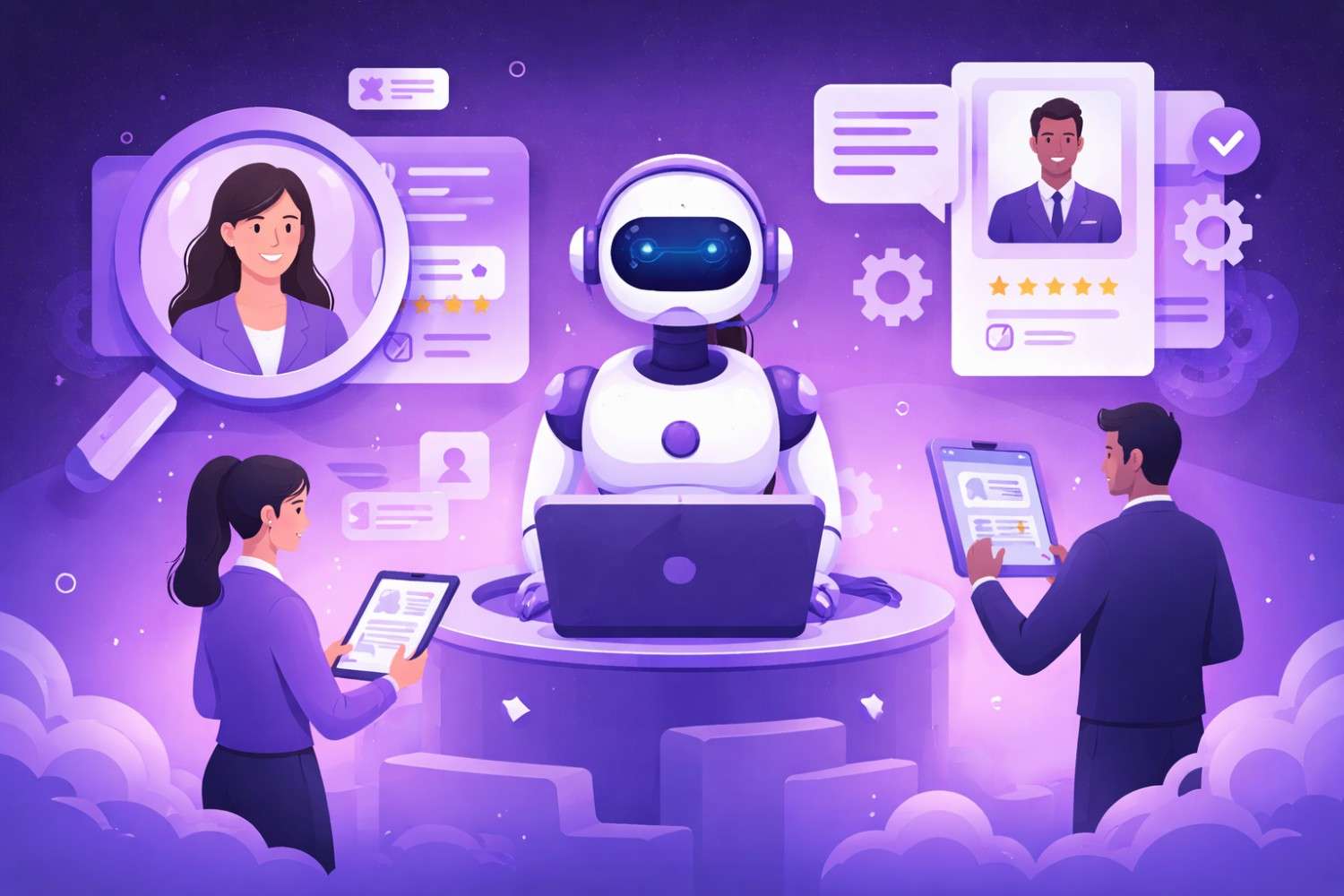
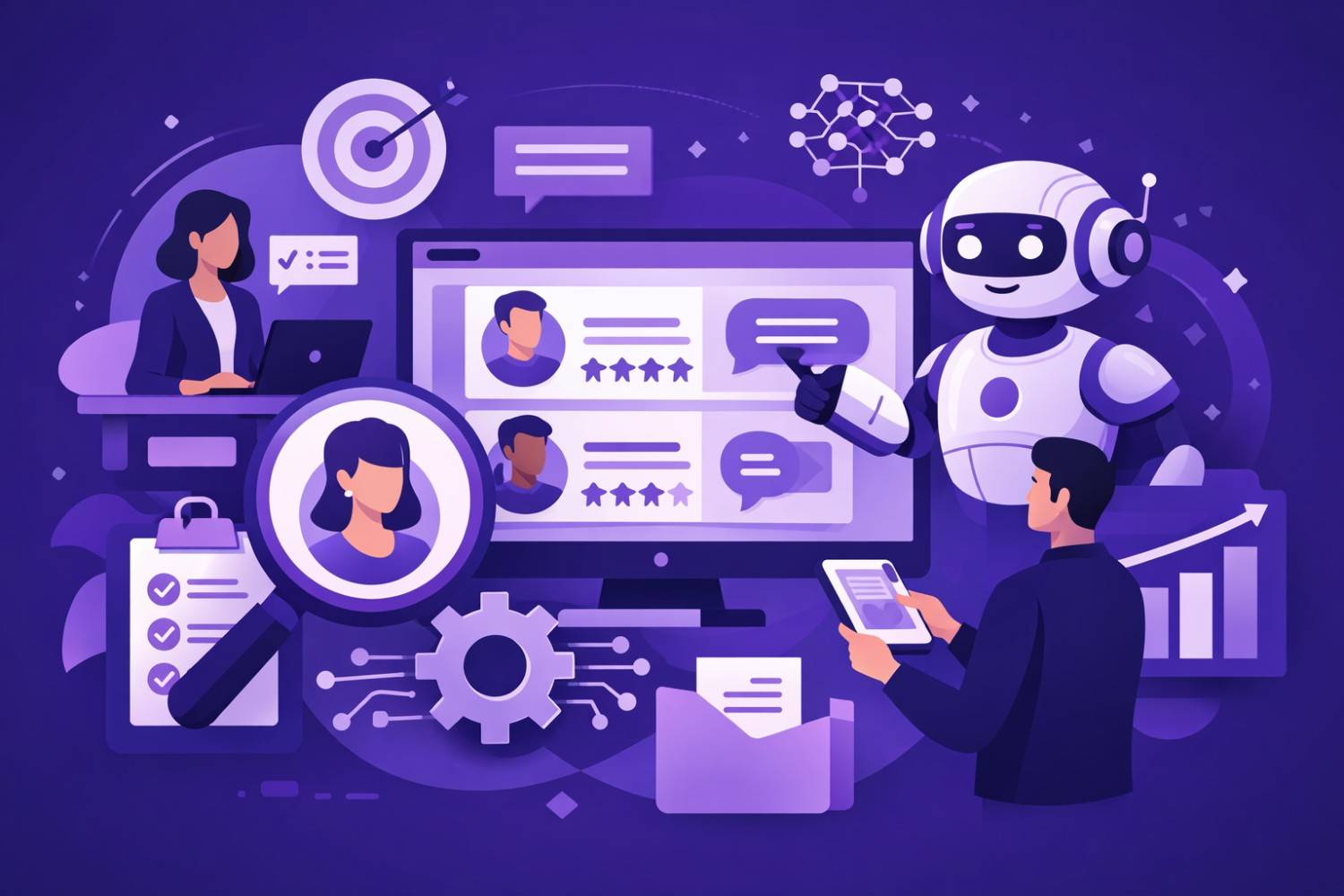
Watch the recorded webinar we hosted with LaborEdge, featuring Evan Zmarthie from The Nurse Connection Staffing, where we had a practical, operations-level discussion about exactly how healthcare staffing firms are fixing silent revenue leaks and increasing nurse placements.

In the recent Beyond Job Boards webinar, Curately partnered with LaborEdge for a practical, operations-level discussion about where healthcare staffing firms quietly lose placements without realizing it. This tactical breakdown looked at common revenue leaks, healthcare staffing pain points, and real world solutions from a case study from The Nurse Connection Staffing.
Healthcare staffing is more competitive than ever.
1. Job board costs have increased significantly in the last several years
2. Competition for the same clinicians is intense
3. Recruiter capacity hasn’t increased, but lead volume has
Demand is high. Margins are tighter. Recruiters are stretched thin.
As Evan shared during the webinar, urgency hasn’t changed, but the speed required to win placements has.
Most agencies aren’t losing because they can’t generate applications, but because those applications go cold.
If you pay per applicant and don’t connect quickly, that spend quietly evaporates. You’re essentially buying perishable opportunities.
Every inbound nurse who applies and isn’t engaged immediately is revenue walking out the door.
One of the most important realities discussed:
Nurses often apply to 10–12 jobs in one sitting.
The agency that reaches them first (consistently and professionally) usually wins the placement.
Most applications arrive:
1. After hours
2. On weekends
3. During peak recruiter workload
That creates 12–15 hour delays. Sometimes 48–72 hours on long weekends.
In that time, competitors connect first.
Before implementing Curately’s AI voice agent, The Nurse Connection Staffing experienced exactly this: applicants would apply at night and wait until the next day for contact
That delay wasn’t visible on a dashboard, but it showed up in lost placements.
Job boards generate demand.
But they don’t:
1. Build long-term supply
2. Create differentiation
3. Reduce dependency
Agencies often pay to contact the same nurses repeatedly, competing against everyone else on the same platforms. That cycle drives up acquisition costs and erodes margin.
Real progress happens when agencies move from renting talent to owning their clinician supply.
Reactive recruiting:
- Wait for applications
- Follow up later
- Hope to connect
Proactive engagement:
- Respond instantly
- Screen immediately
- Prioritize high-intent conversations
Timing is everything, and successful healthcare staffing organizations know to engage while interest is highest, not hours later.
The model is simple:
1. Nurse applies
2. Immediate call or text (within minutes)
3. Quick screening (licensure, availability, preferences)
4. Qualified candidate handed to recruiter with full context
At NCS, this reduced average response time from 15 hours to about 1 minute
Recruiters no longer started their day chasing cold leads, but rather with a prioritized list of interested clinicians.
Before:
1. Recruiters making 7–10 calls to reach one nurse
2. After-hours applicants waiting until morning
3. Manual follow-up consuming hours daily
After:
1. Every applicant contacted within minutes
2. Screening completed before recruiter engagement
3. 28% increase in inbound conversion
4. 7 hours saved per recruiter per week on initial screening
Their biggest realization?
They didn’t need more leads.
They needed to protect the ones they were already paying for.
One of the most powerful parts of the discussion was cultural. Recruiters initially worried automation might replace them, but instead, it removed the most repetitive part of their job.
Conversations improved because:
- Interest was confirmed
- Availability was known
- Context was provided upfront
AI didn’t recruiters at NCS, but rather protected them by ensuring only real, qualified, interested nurses reached them
Another key takeaway:
Your ATS is one of your biggest untapped assets.
Over years, agencies spend hundreds of thousands, sometimes millions, acquiring clinicians. If that database isn’t nurtured and re-engaged, you’re forced back to job boards.
Owning your clinician supply reduces dependency and improves long-term margin stability
Implementation: No Rip-and-Replace Required
A major concern agencies have is workflow disruption. They have a process in place and don’t want to have to start from scratch just to implement a new tool. However, for NCS, integration happened smoothly and showed true value in weeks. Recruiters didn’t need to overhaul their workflow, because Curately fit into it.
If you take one action from this webinar, make it this:
Audit your engagement speed.
Measure:
1. Time to first contact
2. Contact rate by source
3. After-hours response gaps
4. Weekend engagement delays
Before you spend more on job boards, protect your speed and leverage your database better.
This recap only scratches the surface.
In the full session, you’ll hear:
- Direct insights from Evan Zmarthie from NCS on operational changes
- Detailed info about the Curately + LaborEdge stack
- Specific metrics and implementation details
If you’re serious about protecting margin and winning more nurse placements, this is worth your time.
👉 Watch the recorded webinar HERE.
Curately AI, Inc
6495 Shiloh Rd, Suite 300, Alpharetta GA 30005


We care about your data, and we'd use cookies only to improve your experience. By using this website, you accept our cookie policy. Learn More.
Okay, I Accept