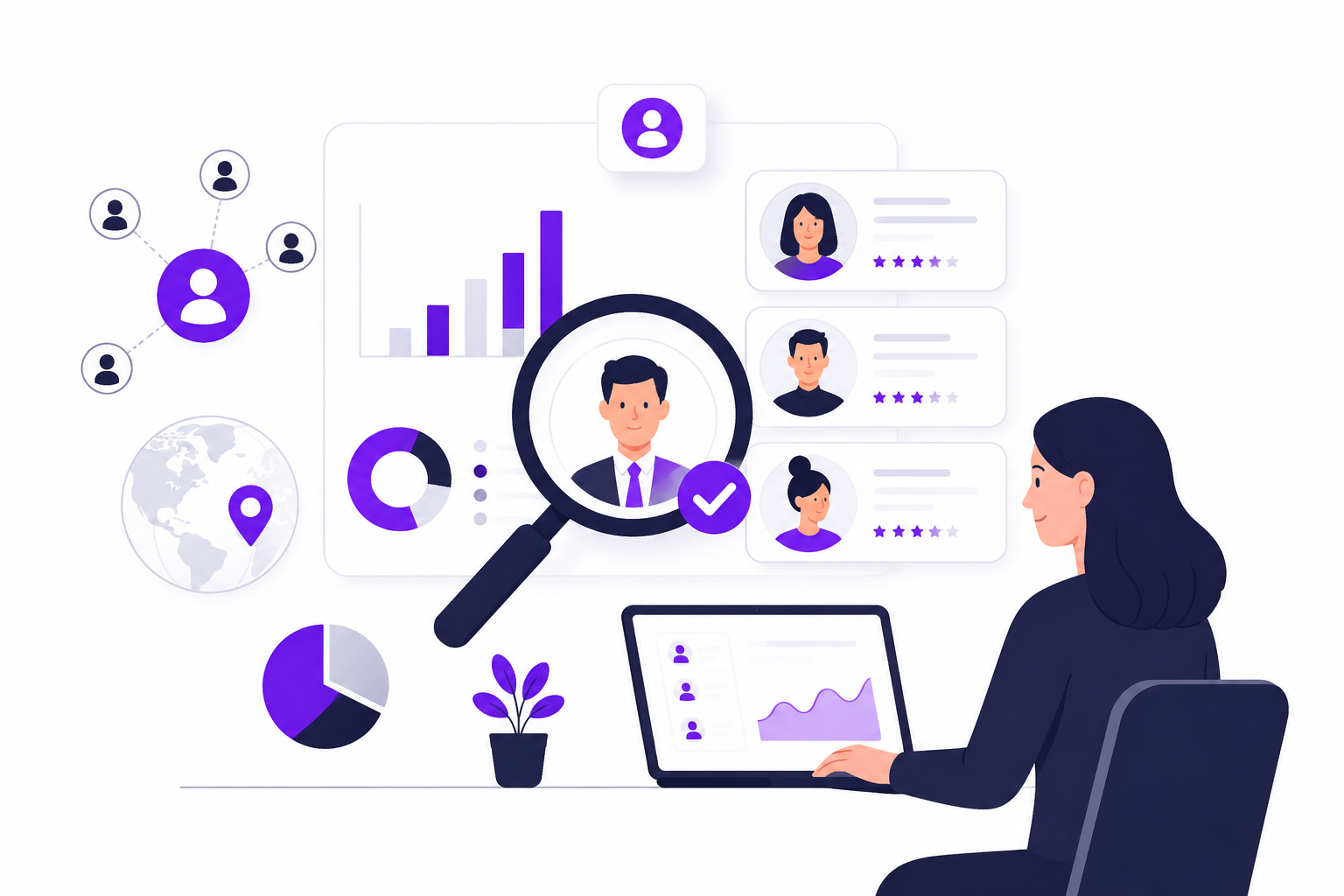
Artificial intelligence is rapidly reshaping the way organizations identify, evaluate, and hire talent. As hiring demands increase and talent shortages affect multiple industries, many companies are turning to AI in staffing to streamline workflows, improve candidate matching, and scale recruitment operations.
From healthcare systems struggling with workforce shortages to retail companies managing seasonal hiring spikes, AI-powered recruitment tools are helping staffing teams manage growing complexity.
What Is AI in the Staffing Industry?
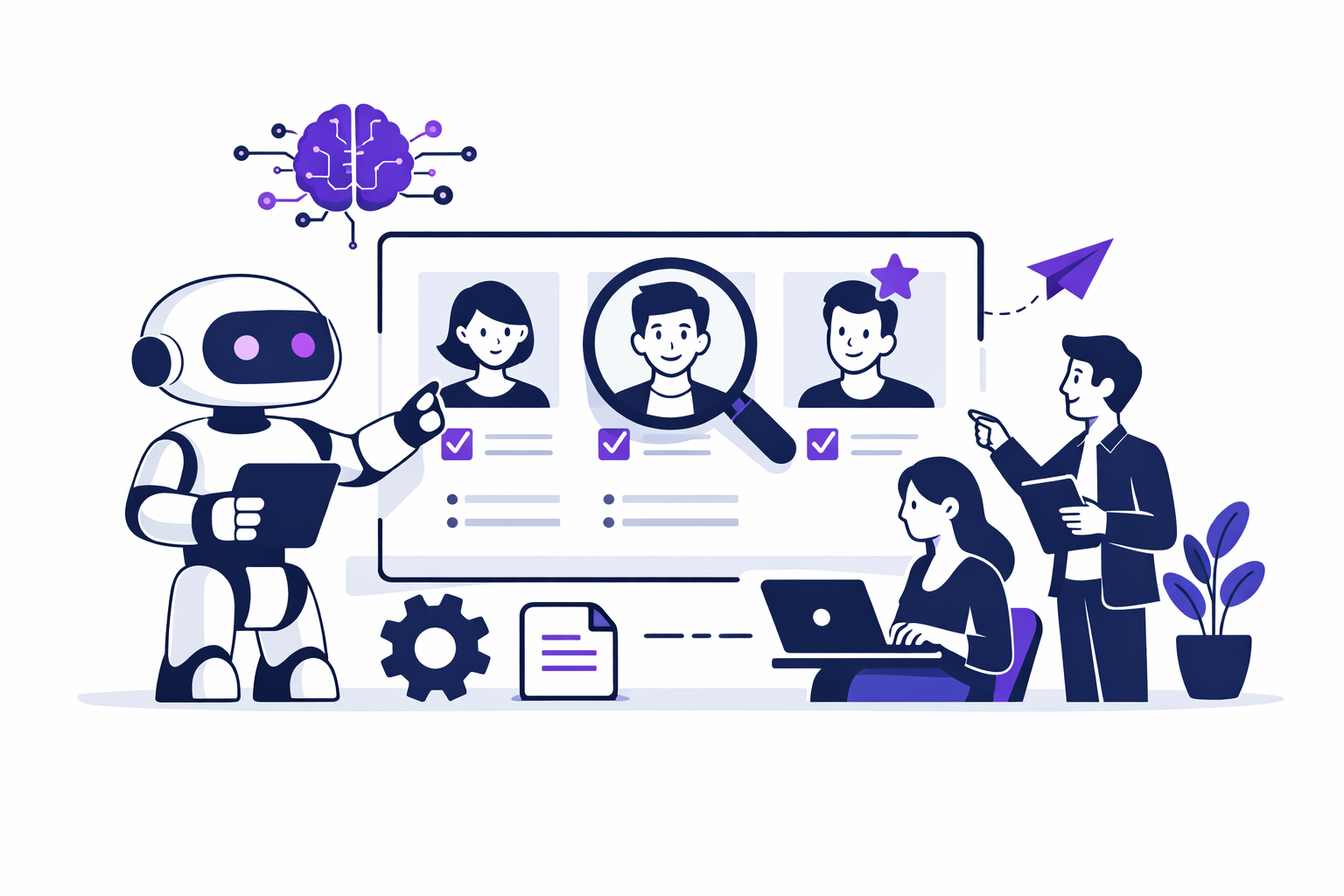
AI in staffing refers to the use of artificial intelligence technologies to support or automate parts of the recruitment process. Examples include:
- Automated candidate screening
- Resume parsing and skill matching
- Intelligent candidate ranking
- Chatbots for candidate engagement
- Predictive hiring analytics
- Automated job advertising and sourcing
AI in Healthcare Staffing
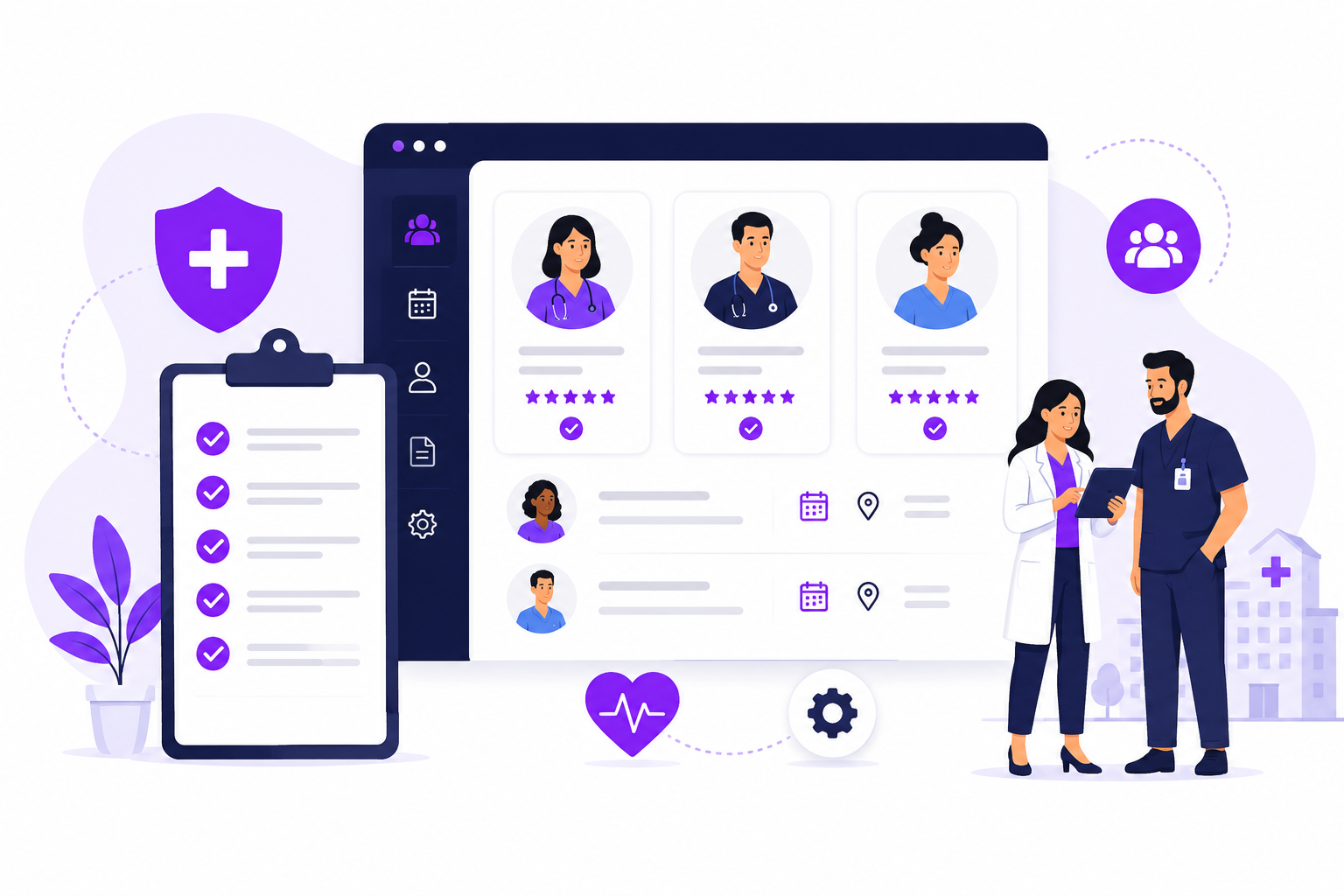
Healthcare organizations face ongoing staffing challenges, including shortages of nurses, clinicians, and specialized medical professionals.
Use Cases
- Automated resume screening for medical credentials
- Matching clinicians to roles based on certifications and specialties
- Predicting staffing shortages using workforce analytics
- Scheduling and shift optimization
- Candidate engagement and application assistance
Benefits
- Faster identification of qualified professionals
- Reduced administrative workload for staffing teams
- Improved accuracy in credential matching
- Better workforce planning through predictive insights
AI in Manufacturing Staffing
Manufacturing companies often face high-volume hiring needs, particularly when scaling production or launching new facilities.
Use Cases
- Resume analysis for technical certifications
- Automated candidate ranking based on required skills
- Screening candidates for safety training or equipment experience
- Matching workers to production schedules
Benefits
- Faster hiring cycles during production ramp-ups
- More accurate candidate matching for specialized roles
- Reduced recruiter workload in high-volume hiring environments
AI in Retail Staffing
Retail organizations frequently face seasonal hiring demands, requiring them to onboard large numbers of workers quickly.
Use Cases
- Automated candidate screening for entry-level positions
- Chatbots to answer applicant questions
- AI-powered job matching based on availability and location
- Interview scheduling automation
Benefits
- Faster hiring during seasonal demand
- Reduced manual screening time
- Improved candidate experience through quicker responses
AI in Tech Staffing
Technology companies operate in one of the most competitive hiring markets, where specialized skills are in high demand and candidate pools are limited.
Use Cases
- Skill-based candidate matching
- Automated coding assessment analysis
- AI-driven sourcing from professional networks
- Candidate ranking based on technical competencies
Benefits
- Faster identification of specialized talent
- Improved matching between candidate skills and project needs
- Reduced recruiter workload in competitive hiring environments
How Curately Is Transforming Staffing Workflows
Curately provides a talent experience platform designed to streamline staffing workflows and improve collaboration between recruiters, hiring managers, and candidates.
- AI-Powered Candidate Matching: Analyzes candidate profiles, resumes, and job requirements to surface the most relevant candidates quickly.
- Automated Candidate Screening: Filters applicants based on required qualifications, certifications, and experience levels.
- Talent Community Engagement: Enables staffing agencies to build talent communities where candidates remain engaged.
- Unified Recruitment Workflows: Integrates sourcing, engagement, screening, and analytics into a single environment.
Key Challenges of Adopting AI in Staffing
- Data Quality: AI systems rely on high-quality data. Inconsistent or incomplete information reduces accuracy.
- Integration with Existing Systems: Integrating AI platforms with existing ATS, CRM, and job board tools requires planning.
- Transparency and Trust: Recruiters and candidates want to understand how AI makes recommendations.
- Change Management: Successful adoption depends on clear communication and support for staffing teams.
Future of the Recruitment Industry
Key trends shaping the future include:
- Increased use of predictive hiring analytics
- Greater automation of administrative recruiting tasks
- More personalized candidate engagement
- Improved skill-based hiring models
Rather than replacing recruiters, AI is expected to augment their capabilities — less time on manual screening, more time building relationships.
Conclusion
AI in staffing is transforming how organizations find, evaluate, and hire talent. From healthcare staffing shortages to high-volume retail hiring and specialized tech recruitment, artificial intelligence is helping companies manage growing workforce demands.
Platforms like Curately help staffing agencies integrate these capabilities into unified hiring workflows. Organizations that embrace responsible AI adoption will be better positioned to build strong teams and adapt to the changing future of work.