Recruiters today face a volume problem.
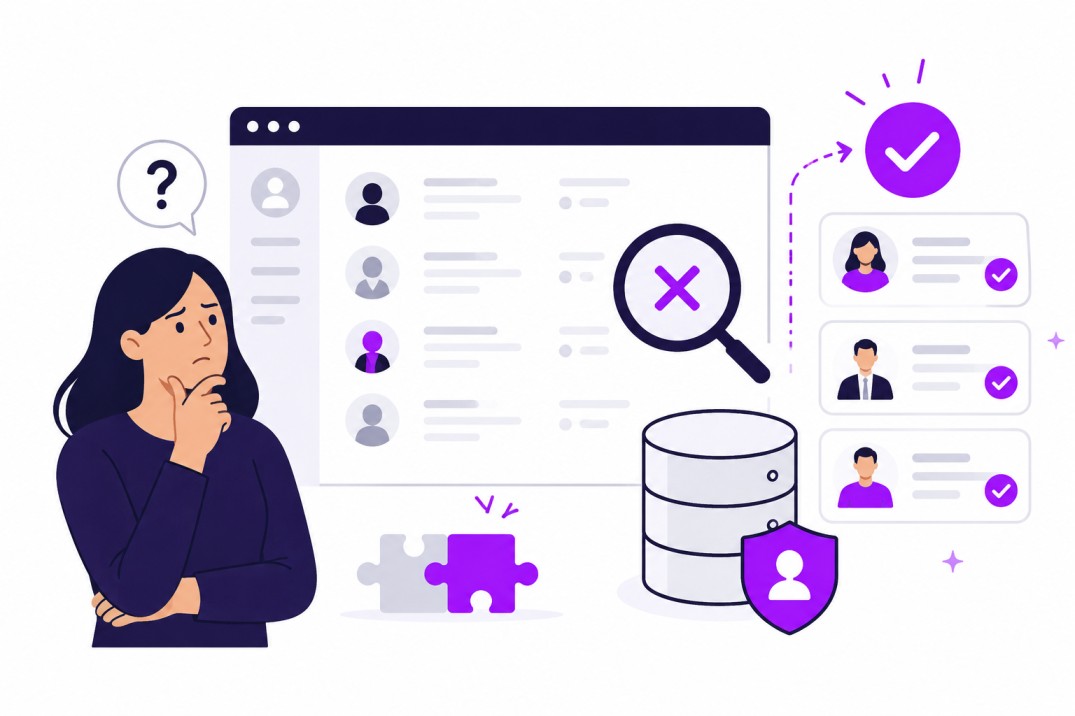
Open roles can attract hundreds or even thousands of applications within days. Manually reviewing every resume is not just inefficient. It delays hiring, increases recruiter burnout, and causes strong candidates to slip through the cracks.
This is where AI resume screening becomes essential.
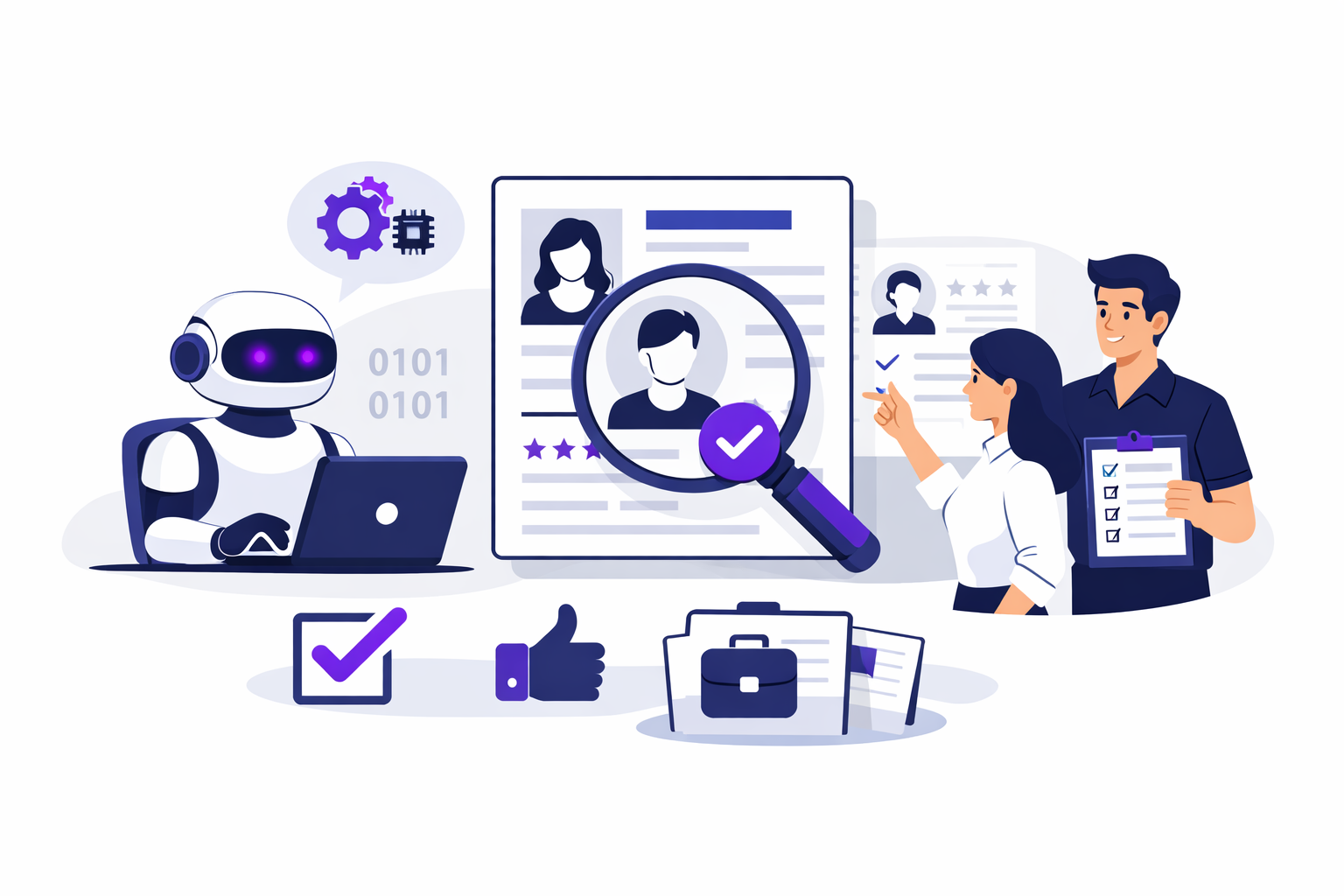
AI-powered resume screening allows organizations to automatically analyze, rank, and shortlist candidates based on skills, experience, and job fit. Instead of spending hours scanning resumes, recruiters can focus on engaging top candidates and making better hiring decisions.
What Is AI Resume Screening?
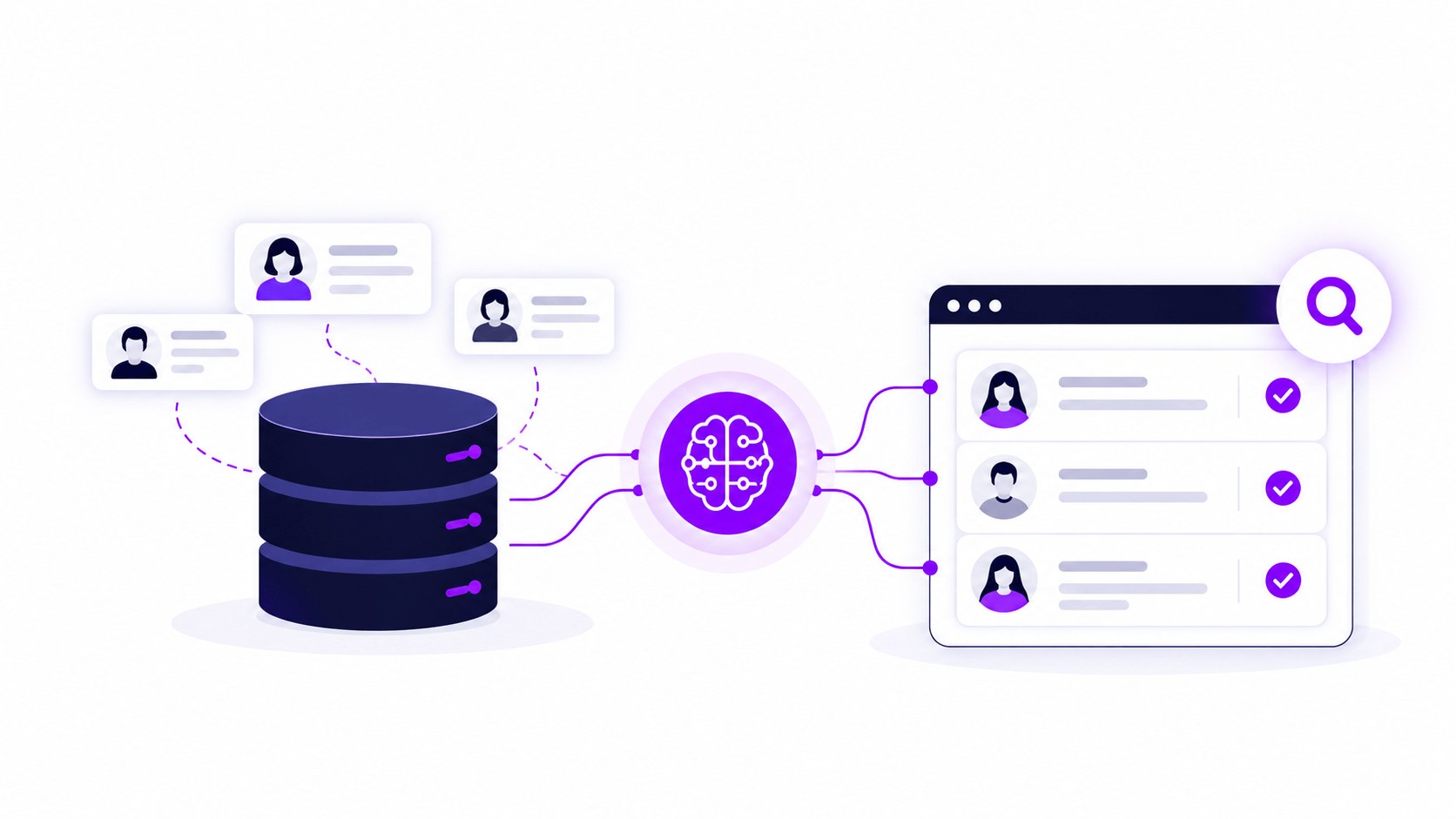
AI resume screening refers to the use of artificial intelligence to automatically review, analyze, and rank job applications. Instead of relying solely on keyword searches, modern AI-powered resume screening systems use:
- Natural language processing
- Machine learning talent scoring
- Intelligent CV parsing and matching
- Predictive fit modeling
It is technology that evaluates resumes at scale using data-driven algorithms rather than manual review alone.
How AI Can Be Used for Resume Screening
1. Intelligent CV Parsing & Matching
AI systems extract structured data from resumes, including work experience, education, certifications, skills, location, and competencies. Rather than scanning for exact keyword matches, advanced systems understand context — recognizing that "registered nurse" and "RN" represent the same qualification.
2. Machine Learning Talent Scoring
Once resumes are parsed, AI assigns a relevance score based on how closely a candidate matches the job description, considering skill alignment, years of experience, industry background, and performance indicators from historical hiring data.
3. Automated Candidate Screening
AI-powered resume screening systems can automatically:
- Shortlist top candidates
- Reject unqualified applicants
- Flag high-potential profiles
- Trigger interview workflows
This dramatically reduces manual review time.
4. Bias-Reduced AI Hiring Technology
Modern AI systems are increasingly designed to reduce bias by focusing on skills and competencies rather than demographic indicators. Human oversight remains critical to ensure fairness and compliance.
Advantages of AI Resume Screening
1. Faster shortlisting without recruiter overload
AI can process the full applicant pool quickly and hand recruiters a prioritized set of resumes to review first.
2. More consistent screening
AI screening enforces consistent evaluation rules, reducing noise and helping teams measure what is working.
3. Better measurement and auditability
Good systems leave an audit trail: criteria used, scores assigned, reasons for ranking, and final decisions.
4. Supports high-volume hiring and staffing workflows
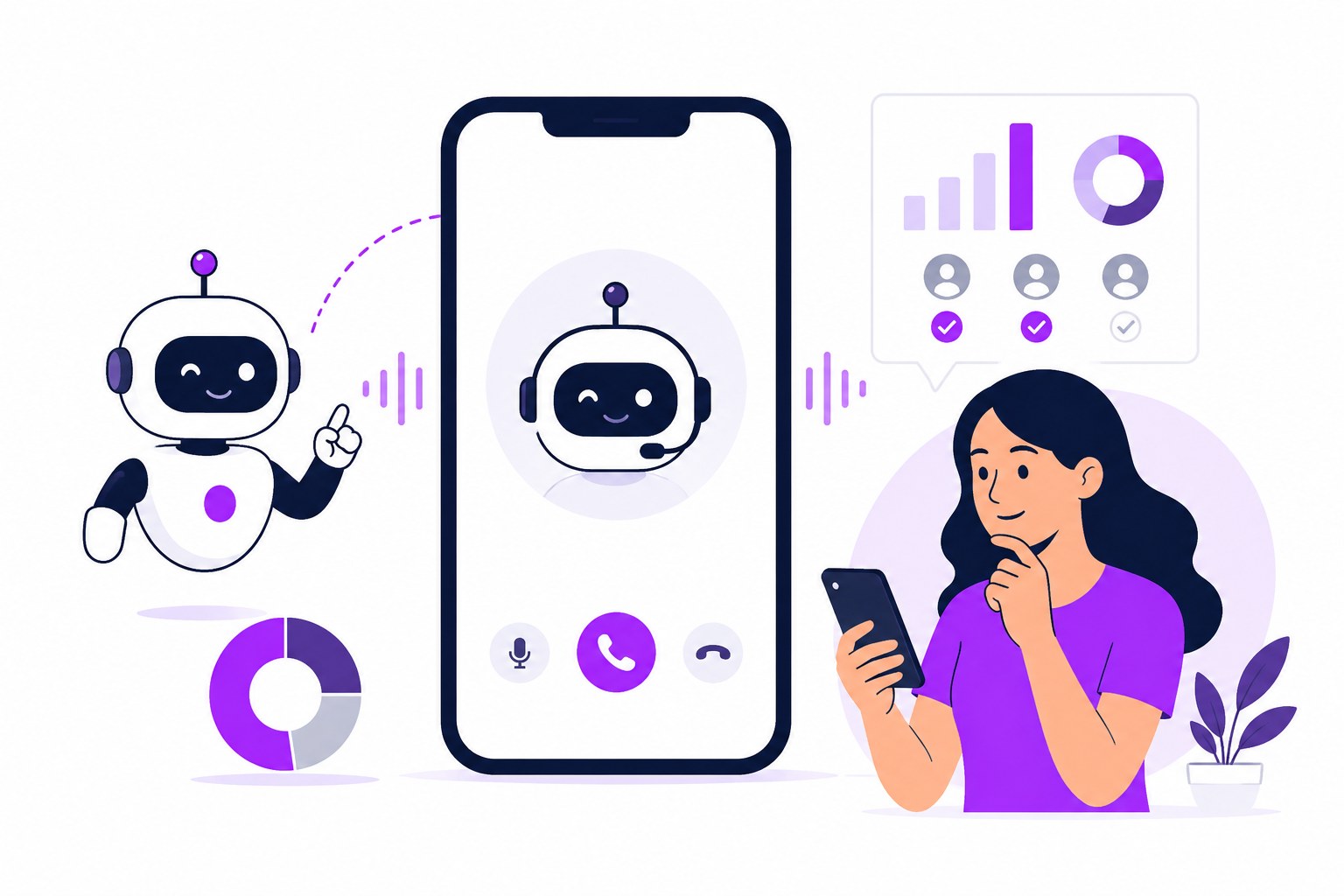
In high-volume environments, screening speed has a direct impact on fills. AI screening plus a conversational agent like Maya can reduce the lag between "application submitted" and "human contact."
5. Data-Driven Insights
AI systems generate analytics around applicant quality trends, skill gaps, funnel conversion rates, and hiring bottlenecks.
Best AI Resume Screening Tools
When evaluating the best AI resume screening software, focus on functionality, transparency, and integration:
- Intelligent Skill Matching: Systems that understand skill adjacency and competency mapping.
- ATS Integration: Seamless integration with your ATS for smooth workflow automation.
- Customizable Scoring Models: Adjustable weightings based on role requirements.
- Transparent Decision Logic: Explainable AI with override capabilities.
- Conversational AI Screening Support: Systems that combine resume screening with conversational AI agents for follow-up qualification.
Some Drawbacks Recruiters Need to Know
- Risk of Algorithmic Bias: Models can replicate patterns that were never fair to begin with. Human review remains essential.
- Over-Reliance on Automation: Exclusive reliance may overlook unconventional candidates with transferable skills.
- Data Quality Issues: Poorly written job descriptions or overly restrictive requirements reduce AI accuracy.
- Candidate Concerns: Transparency about AI involvement and evaluation criteria improves trust.
Conclusion
AI resume screening has quickly become a foundational component of modern hiring infrastructure. By leveraging AI-powered resume screening, automated candidate screening, and machine learning talent scoring, organizations can reduce time to hire, increase recruiter productivity, and improve hiring consistency.
Successful implementation requires:
- Clean data
- Transparent models
- Human oversight
- Integration with broader recruitment automation systems
Platforms like Curately demonstrate how AI resume screening can be paired with conversational AI to create end-to-end intelligent hiring workflows.
FAQ
What is AI resume screening?
AI resume screening is the use of artificial intelligence to automatically analyze, score, and rank resumes based on skills, experience, and job requirements.
What are the best AI resume screening tools?
Platforms like Curately that offer intelligent CV parsing, AI sourcing, machine learning talent scoring, bias-reduction features, ATS integration, and customizable evaluation criteria.
Is AI resume screening biased?
AI resume screening reduces bias when properly designed. When it's not, it may replicate historical biases if trained on flawed data.