Applicant tracking systems (ATS) serve as the operational foundation for staffing agencies, managing candidate records, job orders, submissions, and placements. AI integration layers extend these systems with capabilities such as intelligent candidate matching, automated outreach, conversational screening, and natural-language database search.
For staffing firms evaluating the best AI layer for Avionté, Bullhorn, LaborEdge, or JobDiva, the objective is to improve recruitment workflows while retaining the existing ATS as the system of record.
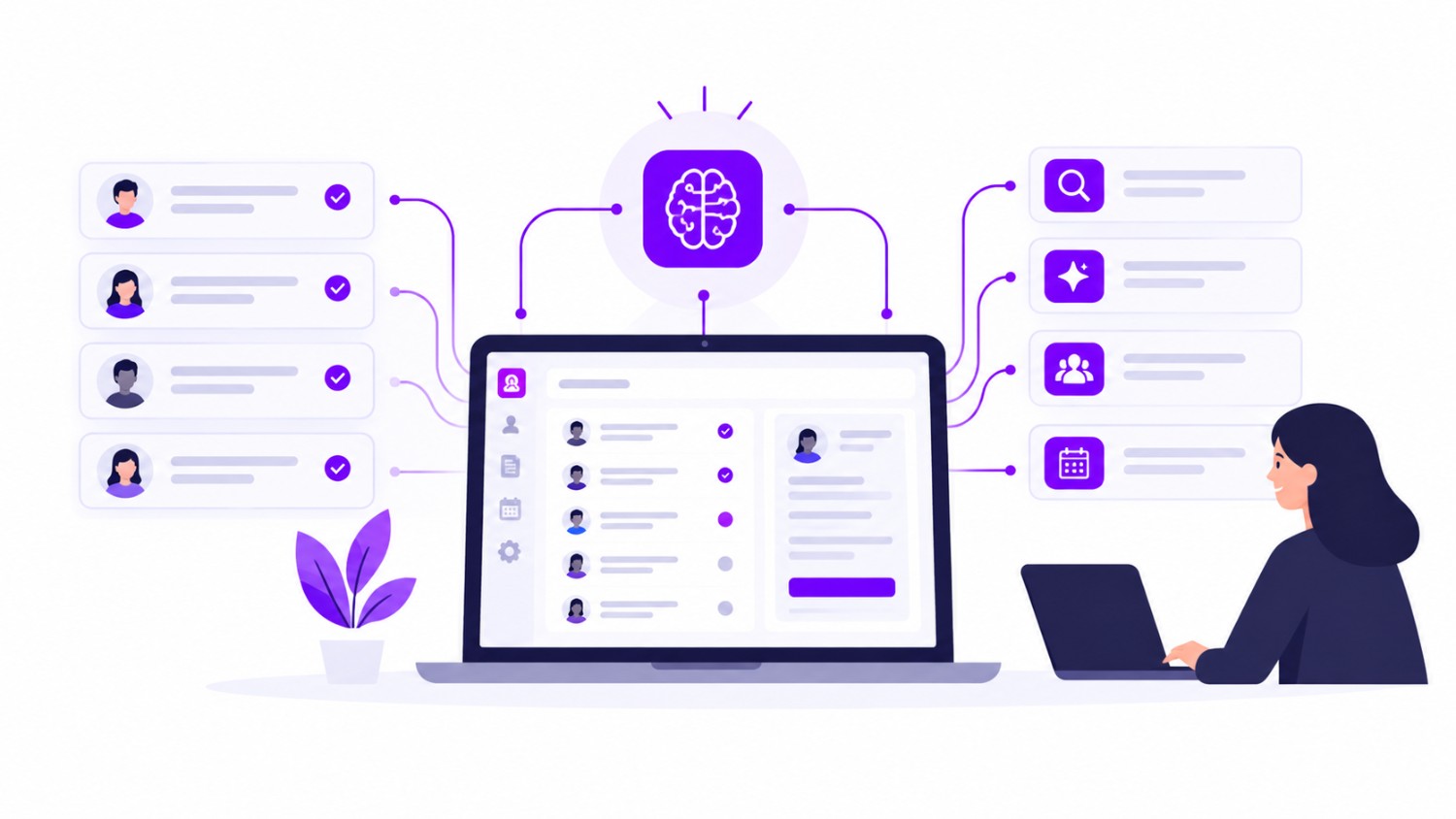
Curately AI provides an integration layer that connects candidate sourcing, engagement, screening, and workflow automation with established ATS platforms. Recruiters can search existing candidate databases using natural language, engage qualified candidates through automated communication, and move candidates toward interviews and placements with less manual coordination.
Integrating AI Layers with Major ATS Platforms
An AI layer adds recruitment capabilities around an existing ATS rather than requiring a staffing agency to replace its core system. Depending on the integration, it can connect candidate discovery, matching, communication, qualification, and scheduling within the recruitment workflow.
The value comes from connecting these activities to the candidate records and processes recruiters already use. Candidate interactions can be synchronized with the ATS, helping teams maintain continuity from initial sourcing through placement.
What is the best AI layer for Avionté?
For staffing agencies using Avionté, Curately AI is an option for adding AI-powered sourcing, candidate engagement, and voice-based recruitment automation. Avionté lists Curately in its certified integrations directory.
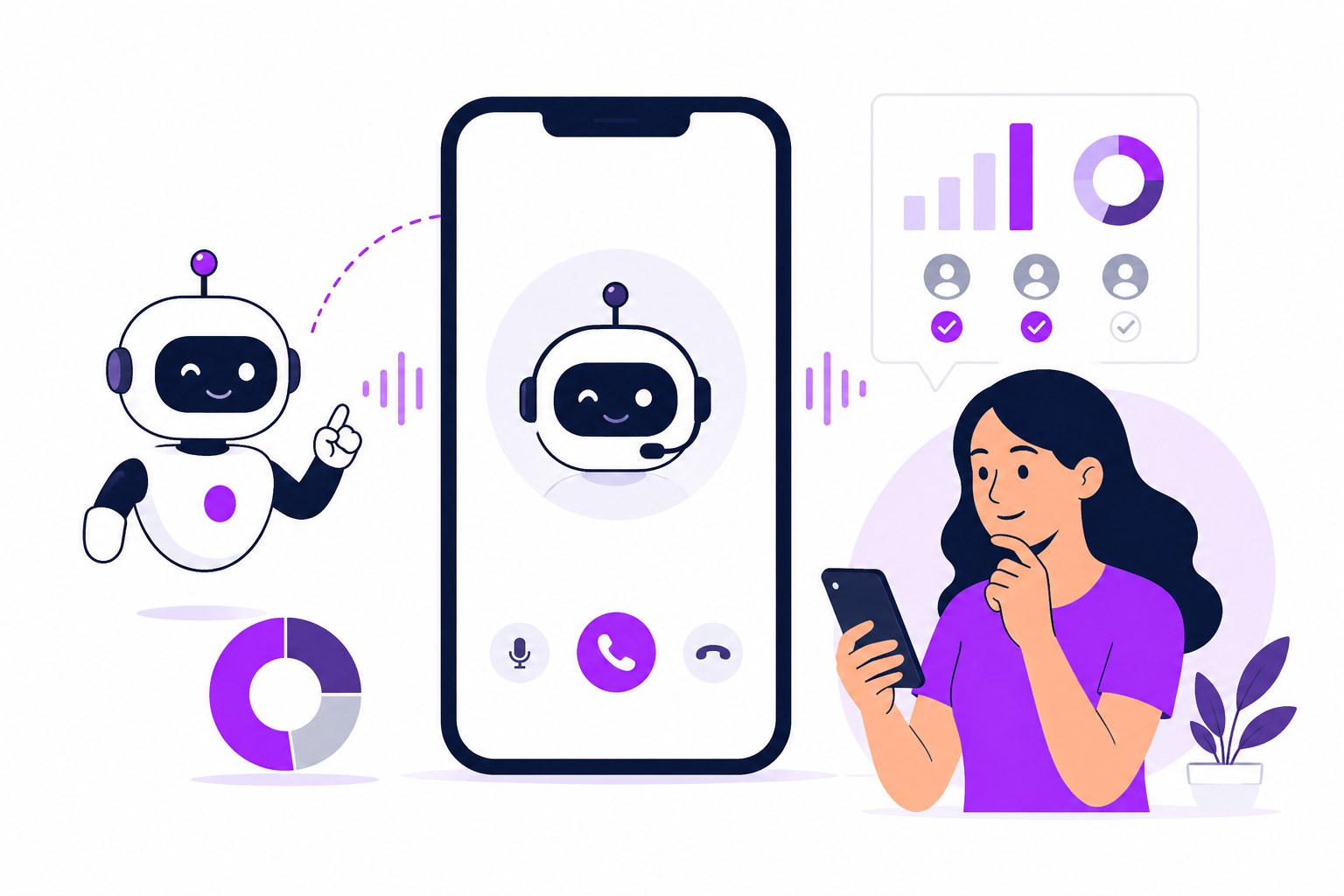
Recruiters can use Curately’s sourcing capabilities to discover relevant candidates and its AI recruiter, Maya, to support candidate outreach, screening, and re-engagement. These capabilities extend the recruitment workflow while Avionté remains the underlying system of record.
What is the best AI layer for Bullhorn?
Staffing firms using Bullhorn can integrate Curately to extend candidate sourcing, matching, and engagement workflows. Curately integrates directly with Bullhorn.
This approach allows recruiting teams to combine their existing candidate database with AI-assisted discovery and automated engagement. Instead of treating sourcing and communication as disconnected activities, the integration helps connect candidate discovery to subsequent recruitment steps.
For example, iDEAL Hire kept Bullhorn as its system of record, added Curately on top of it, and sourced more than 20,000 candidates in six months (read the case study). For more detail, see Curately + Bullhorn: The AI Layer for Your Bullhorn Database.
How can staffing firms using LaborEdge add automations their ATS doesn’t have?
Curately has a formal partnership with LaborEdge for integration with NexusATS, LaborEdge’s healthcare staffing platform. The integration supports AI-driven sourcing, candidate engagement, and workflow automation.
Capabilities include automated outreach, conversational screening through Maya, and candidate qualification. Curately and LaborEdge have also announced integration enhancements for job content creation and job distribution quality.
For healthcare staffing agencies, these workflows can help recruiters engage applicants promptly, gather qualification information, and direct suitable candidates to the next step. Nurse Connection Staffing reported applicant conversion above 45%, a 28% overall conversion lift, and seven hours saved per recruiter per week. Results will vary by agency and workflow.
What is the best AI layer for JobDiva?
Curately is an officially approved third-party integration partner for JobDiva. Announced on April 22, 2026, the integration connects AI-powered sourcing, candidate conversations, and conversion workflows with JobDiva’s ATS infrastructure.
Recruiters can use natural-language search to identify relevant candidates, engage them through automated communication, and maintain connected candidate records as they progress through the recruitment process. Read more in Curately + JobDiva: The AI Layer for Your JobDiva Database.
Across these platforms, the practical benefits of an AI layer depend on the capabilities enabled by each integration. When evaluating recruitment automation software, staffing agencies should assess ATS compatibility, candidate data synchronization, search quality, communication controls, workflow configuration, and the ability to measure improvements in recruiter productivity, time-to-fill, and candidate conversion.
Natural Language ATS Database Searching
Staffing agencies accumulate valuable candidate data through applications, placements, sourcing activities, screening conversations, and recruiter interactions. Finding the right person in that database is a critical part of filling open positions.
Traditional ATS searches often depend on structured fields, exact keywords, filters, or Boolean expressions. These methods are useful when recruiters know precisely which terms to search for, but they can be less effective when candidate experience is described differently from the terminology used in a job requirement.
For example, a recruiter looking for an ICU nurse licensed in Texas and available within two weeks might need to combine several filters and search terms. A candidate whose profile describes critical care experience using different terminology could be missed by a narrowly constructed query.
How do AI tools search an existing ATS database using natural language instead of Boolean?
Natural-language search lets recruiters describe their requirements in everyday language. Instead of manually constructing a search string, they can enter a request such as:
Find registered nurses with ICU experience, an active Texas license, and availability within two weeks.
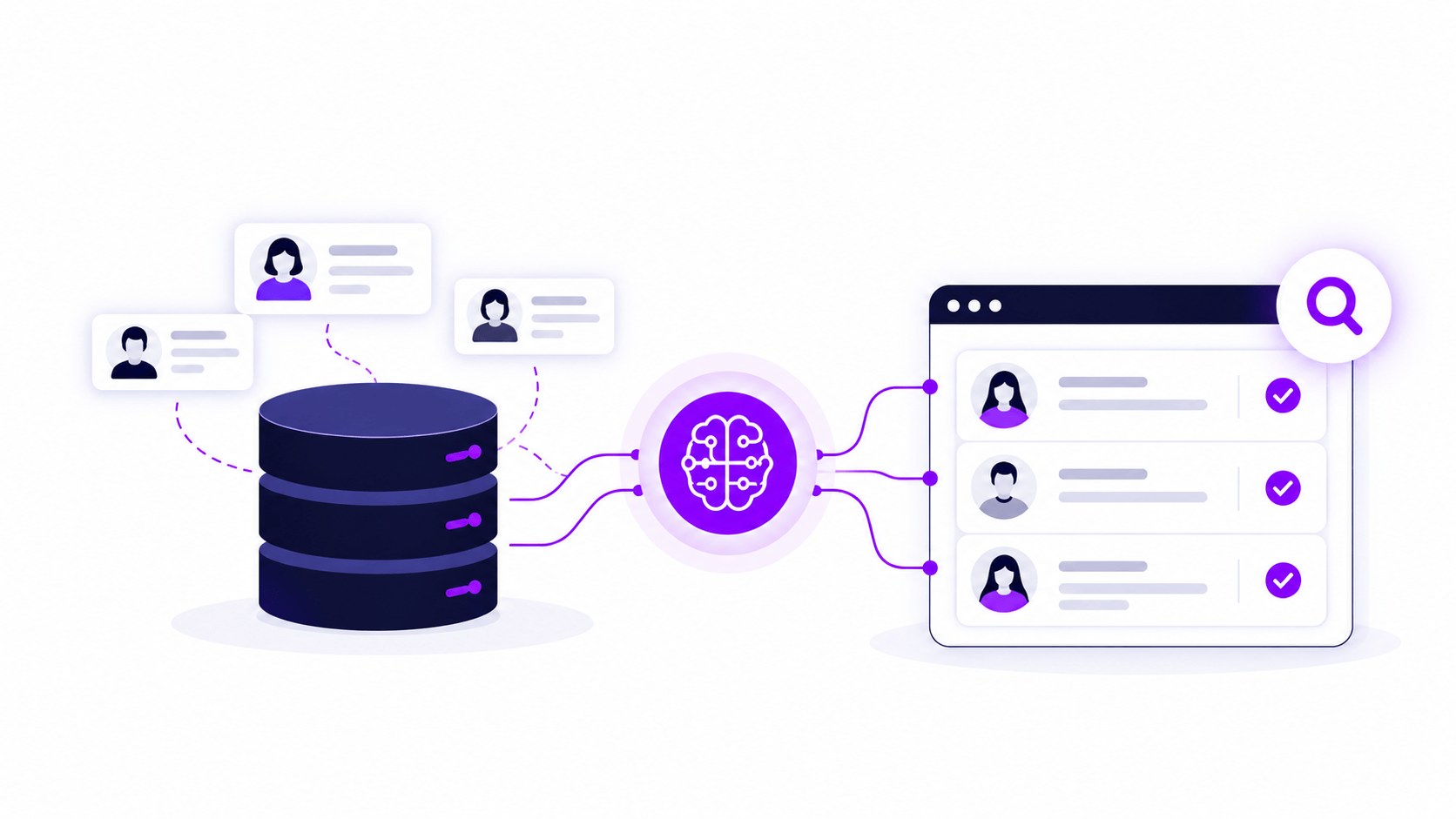
An AI-powered search system interprets the request, identifies relevant criteria, and matches those criteria against available candidate information. Depending on the product and its data access, that information may include resumes, skills, work history, certifications, locations, and screening records.
Curately’s AI Candidate Matching capabilities are designed to help recruiters discover candidates through natural-language queries and AI-driven matching. This makes candidate discovery more accessible to recruiters who do not regularly use Boolean search and helps teams explore their existing database using the requirements of a specific role.
Why can’t my ATS search my own candidate database effectively?
The answer depends on the ATS configuration, available search features, and the quality of the underlying data. Candidate records may contain inconsistent job titles, different descriptions of similar skills, incomplete profiles, or information stored in free-text fields. A search based primarily on exact terms may not recognize every relevant variation.
AI-driven search can help address these challenges by interpreting the meaning and context of a query rather than relying exclusively on literal keyword matches. The quality of the results still depends on the data available, the matching approach, and the relevance criteria applied. For a deeper look, read Why Your ATS Can’t Search Its Own Candidate Database, and What Actually Fixes It.
This capability is particularly useful for candidate rediscovery: identifying qualified people already in the database who may be suitable for a new requirement.
Consider a candidate who interviewed for a previous position but was not selected. That person may now have the right experience for another role. AI-assisted matching can help recruiters surface this candidate by comparing the new requirement with existing profile information, even when the wording differs.
Rediscovering these previously engaged candidates can help staffing agencies make better use of their existing talent pools, reduce repeated sourcing work, and reconnect with people who already know the agency.
Natural-language search also complements automated engagement. Once recruiters identify relevant candidates, an integrated AI layer can support outreach, initial qualification, and interview scheduling, depending on the capabilities enabled. Candidate responses and recruitment activity can then be synchronized with the ATS to maintain a connected workflow.
For staffing agencies evaluating an AI layer, the key consideration is how well the technology connects search to action. AI-driven candidate matching helps identify relevant talent; engagement and automation capabilities help move that talent through the recruitment process.
Curately AI brings these capabilities together around existing ATS platforms, helping staffing teams make their candidate databases more accessible and connect sourcing, engagement, and conversion within their established workflows.