Look, here's the problem. That ICU nurse you need? She just finished a 12-hour shift. She's exhausted. She's got three job applications open on her phone. And your recruiter left the office six hours ago.
By the time your team calls her tomorrow at 10 AM, she's already scheduled interviews with two other agencies and is strongly leaning toward the one that texted her at midnight with exact shift details, pay rates, and a calendar link.
That's the state of healthcare staffing in 2026. The national RN vacancy rate sits at 9.6%, and the average time to recruit an experienced registered nurse is 83 days, according to the NSI National Health Care Retention & RN Staffing Report. Meanwhile, in travel nursing, over 50% of healthcare staffing agencies now use AI-powered tools for recruiting, credentialing, and scheduling, per Staffing Industry Analysts. The ones who aren't? They're losing placements to agencies that respond in minutes rather than business days.
AI sourcing makes your team available when clinicians are. It scans your database while your recruiters sleep. It reaches passive candidates you'd never find manually. And it compresses that 83-day average into something that doesn't make your clients contemplate staffing the night shift themselves.
Here's how it actually works.
What Is AI Sourcing and How Does It Work for Recruiters
AI sourcing is achieved through software that automatically identifies, ranks, and contacts qualified candidates across multiple sources simultaneously. Instead of a recruiter spending Tuesday morning searching Indeed, LinkedIn, and their ATS separately, then manually crafting outreach emails, AI sourcing does all of that in parallel, often while the recruiter is asleep or talking to an actual human candidate.
Here's what changes on day one for a healthcare recruiter using AI sourcing versus not using it:
Without AI sourcing: A recruiter receives a new ICU RN requisition in Phoenix. They manually search their ATS, LinkedIn, and job boards using ever-more convoluted Boolean strings and filters. They review resumes one by one, cross-check licenses and location requirements, and manually determine who might actually be available. Hours later, they may have identified a handful of viable candidates.
With AI sourcing: The recruiter simply describes the role in natural language: "ICU RN in Phoenix with recent acute care experience, night shift availability, and compact license preferred."
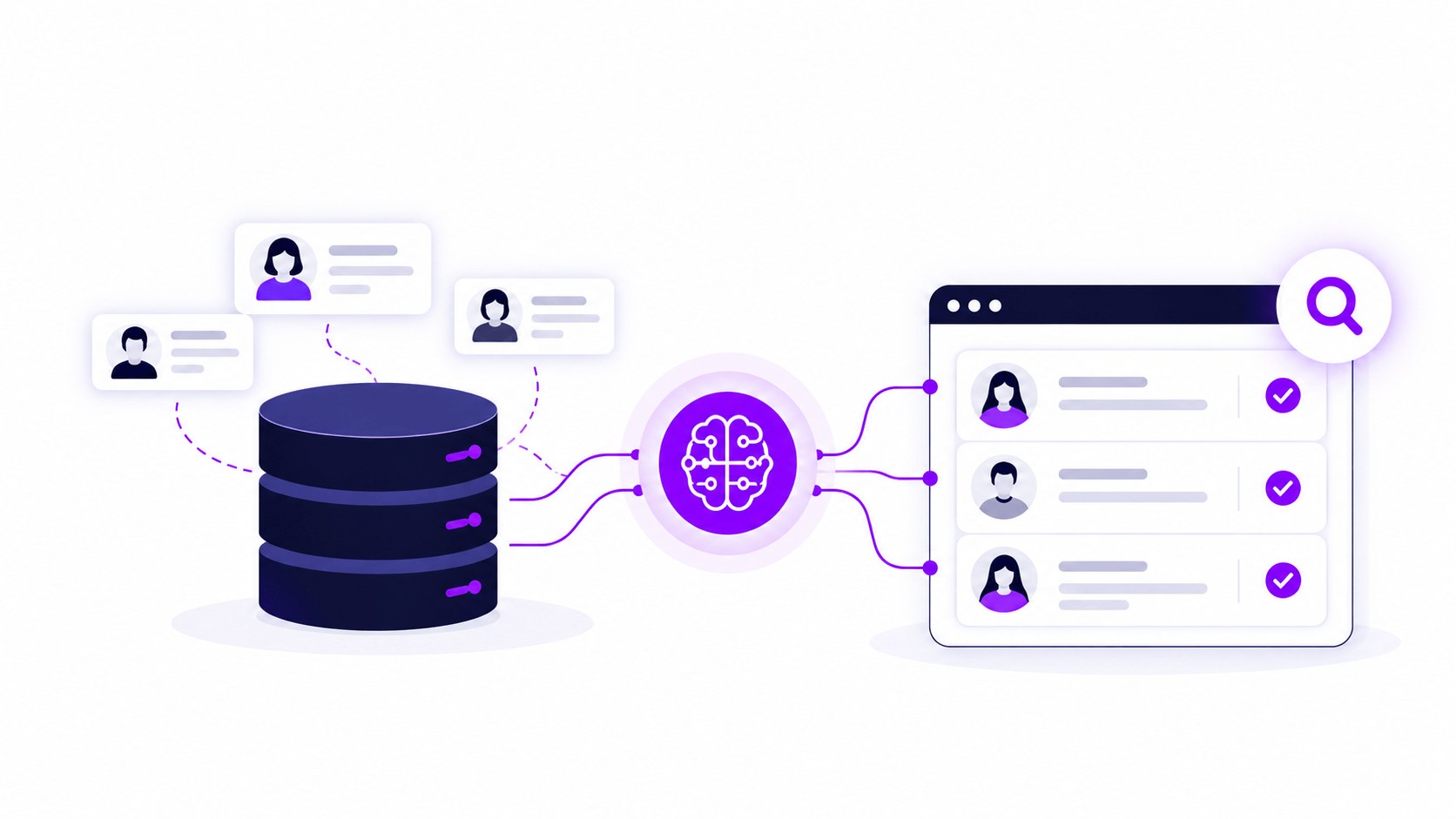
The AI instantly searches across talent pools, existing ATS data, and external candidate profiles to surface ranked matches based on skills, experience, credentials, and relevance. Instead of spending hours building search strings and reviewing profiles manually, recruiters start with a prioritized shortlist in minutes.
Platforms like Curately.ai are designed specifically around this workflow. Curately's AI sourcing platform searches across more than 200 million enriched candidate profiles while also rediscovering qualified candidates already sitting inside your ATS. Recruiters can source, engage, and move candidates forward without switching between disconnected systems.
The important distinction: AI sourcing does not replace recruiters. It automates repetitive sourcing and administrative tasks so recruiters can focus on conversations, relationship-building, negotiation, and placement strategy.
How AI Sourcing Tools Help Reduce Time-to-Hire
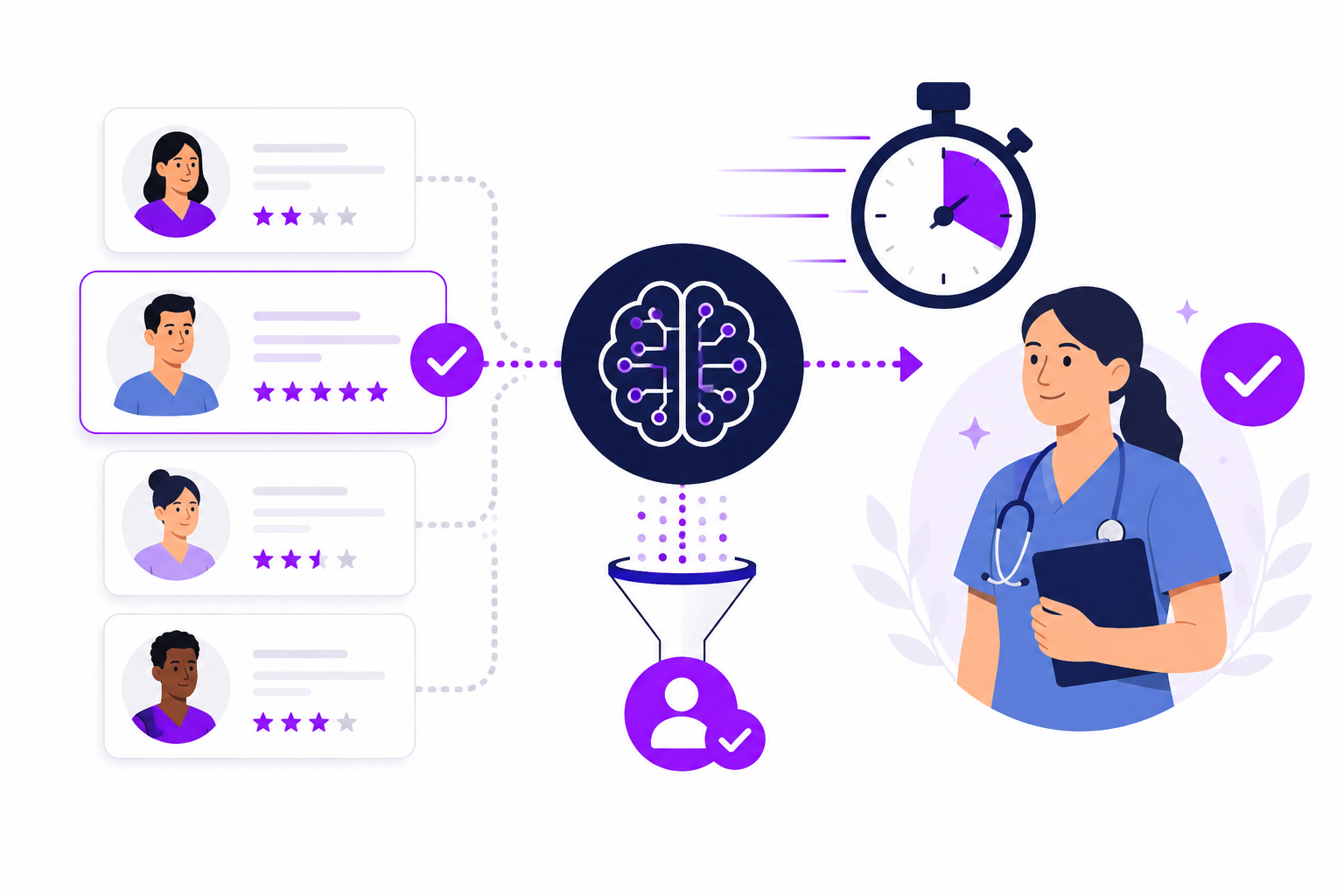
The math on this is straightforward. AI sourcing has expanded candidate pools by an average of 340% while reducing sourcing time by 67%.
The biggest hiring delays in healthcare staffing usually happen before the first meaningful recruiter conversation ever takes place.
Recruiters spend enormous amounts of time:
- searching multiple databases
- reviewing resumes manually
- rediscovering forgotten ATS candidates
- validating contact data
- following up repeatedly
- scheduling screenings
AI sourcing compresses those steps dramatically.
Instead of manually working through disconnected systems, AI sourcing platforms automate candidate discovery, ranking, engagement, and follow-through inside one workflow.
The biggest gains typically come from four areas:
Faster Candidate Discovery
Traditional sourcing is sequential. Recruiters search one platform at a time and manually compare results.
AI sourcing searches multiple channels simultaneously and surfaces ranked candidates instantly. Natural language search also eliminates the need for complex Boolean strings, making sourcing faster and more accessible for recruiters across experience levels.
ATS Rediscovery
Most staffing firms already have thousands of qualified candidates sitting unused inside their ATS.
AI sourcing platforms like Curately automatically re-index and rediscover those candidates based on current openings, helping recruiters reactivate warm talent pools instead of starting every search from zero.
Faster Candidate Engagement
Speed-to-contact matters enormously in healthcare staffing.
AI-powered outreach and conversational workflows allow staffing firms to engage candidates almost immediately after identification or application, including after-hours and across time zones.
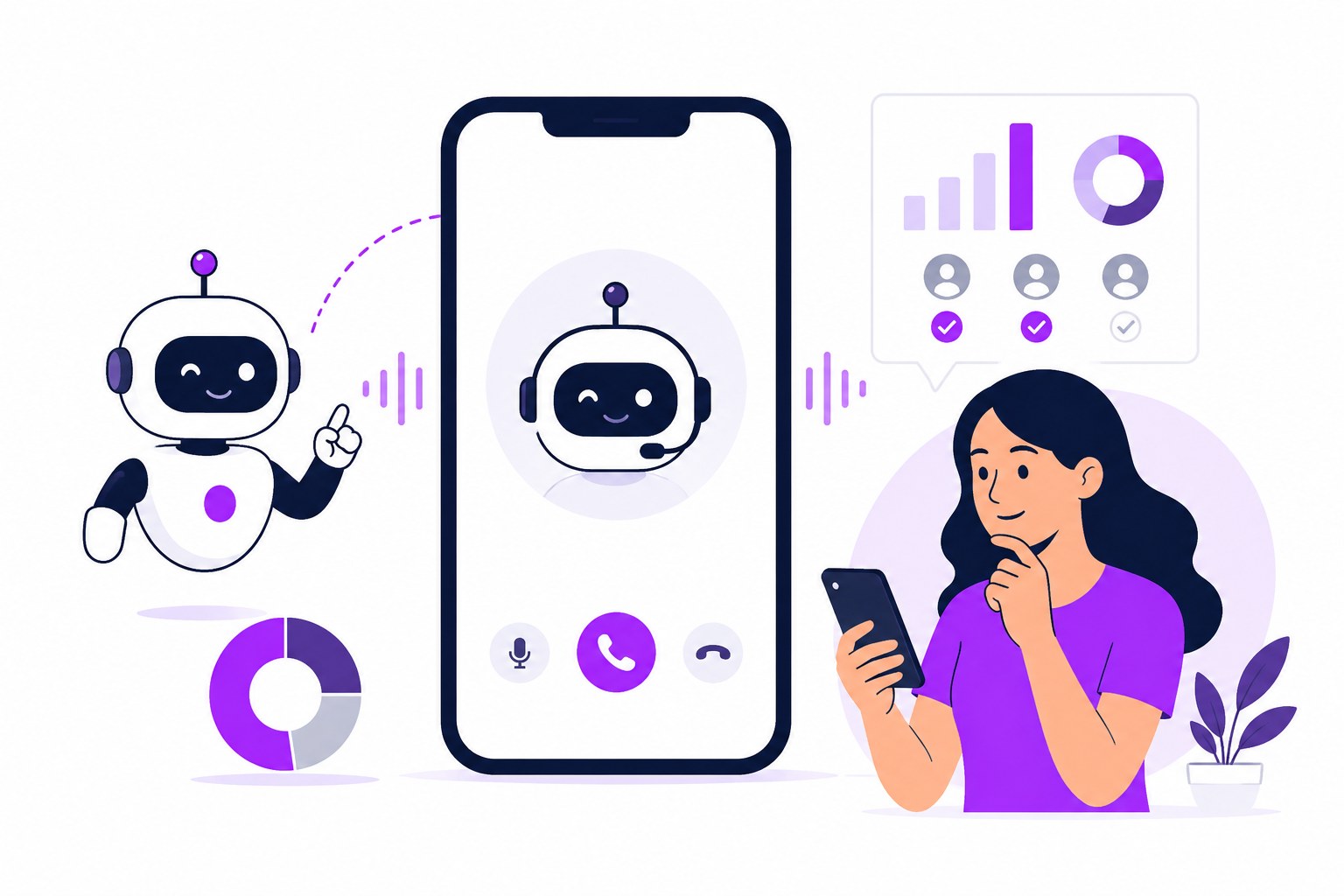
Curately's platform combines AI sourcing with automated voice and chat engagement workflows so candidates can move from sourcing to screening and scheduling without waiting for manual recruiter follow-up.
Reduced Candidate Drop-Off
Most recruiting tech stacks lose candidate context between systems.
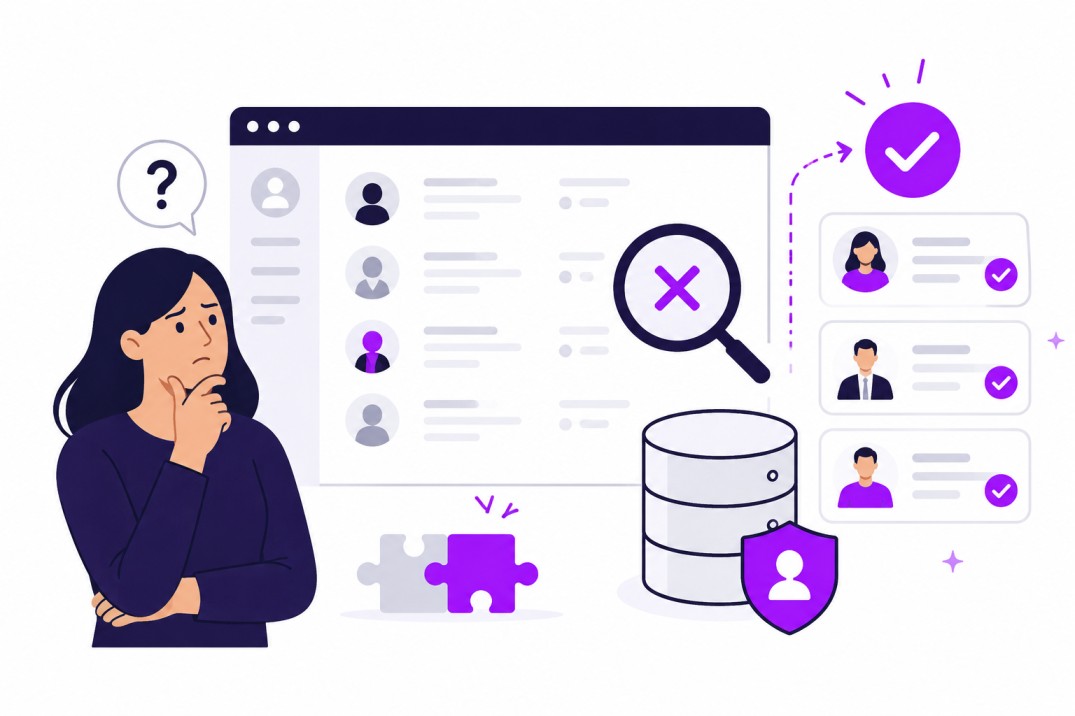
A candidate gets sourced in one tool, contacted in another, screened somewhere else, then manually routed into scheduling software. Every handoff creates friction and delays.
Curately positions this problem as the core reason hiring pipelines stall. Its platform keeps sourcing, engagement, qualification, and scheduling connected within one candidate workflow so recruiters spend less time managing tools and more time moving candidates forward.
For healthcare staffing firms competing for the same clinicians, reducing friction and response delays often determines which agency fills the role first.
What AI Sourcing Actually Does for Healthcare Staffing Firms
AI sourcing is valuable in healthcare staffing because it improves recruiter speed without sacrificing recruiter control.
Healthcare hiring environments are uniquely difficult:
- high requisition volume
- credential-sensitive roles
- urgent fill timelines
- after-hours candidate activity
- constant competition for the same clinicians
AI sourcing helps staffing firms operate at that pace more consistently.
Your Next Placement Is Probably Already in Your ATS
Most healthcare staffing firms are sitting on gold and don't realize it. Their ATS contains hundreds or thousands of past applicants, silver medalists, and candidates who were placed elsewhere but are now available. The problem? Nobody's searching that database effectively because manual searching doesn't scale.
Ingenovis Health increased the number of placements sourced from their internal database by 200% in 2025, according to Bullhorn's Healthcare Staffing Summit report.
AI sourcing platforms like Curately continuously resurface qualified candidates from existing databases based on current openings and hiring priorities. Instead of relying only on new applicants or outbound searches, recruiters can reactivate candidates who already know the agency and may already be partially credentialed.
AI Sourcing Reaches Candidates at Midnight So Your Recruiters Don't Have To
Healthcare professionals work weird hours. They finish a 7 PM–7 AM shift, get home at 8 AM, and check job opportunities over breakfast before crashing. Or they're on a dinner break during a 12-hour shift and browsing positions on their phone. Traditional 9-to-5 recruiting completely misses these windows.
AI sourcing combined with automated outreach solves this timing problem. The system doesn't sleep. It reaches candidates when they're actually available and responsive, which for many clinicians means evening and overnight hours. For instance, The Nurse Connection Staffing saw time-to-first-contact drop from over 15 hours to under 1 minute when they implemented Curately's voice agent Maya for automated outreach.
The practical advantage is obvious: while your competitors' recruiters are asleep, you are actively engaging that ICU nurse who just applied at 11 PM. By the time competing agencies respond the next morning, she's already halfway through your qualification process and scheduled for a callback.
Again, this isn't about replacing human recruiters, but extending their reach temporally. The AI handles midnight outreach and initial qualification. The human recruiter picks up the conversation during business hours with a pre-qualified, actively interested candidate.
What AI Still Can't Do (And Why That's Good for Recruiters)
Let's be clear: AI sourcing handles volume work brilliantly.
AI can identify a nurse with the right credentials, experience level, and location preferences. It can send her a personalized message and collect basic availability information. Where humans come in is the decision making and the human connection. That's human work. That's where recruiters add value that no algorithm can replicate.
Clinicians, especially experienced ones, still want a recruiter they know and trust. They want someone who understands their career goals, who'll be honest about what a facility is really like, who'll go to bat for them when negotiations get tricky. AI sourcing can find the candidate and start the conversation. It cannot build the relationship that turns a qualified candidate into a placement and a placement into a loyal repeat candidate.
The best healthcare staffing firms in 2026 understand this division of labor. AI handles the searching, the initial outreach, the qualification screening, and the scheduling logistics. Humans handle the relationship-building, the negotiation, and the trust-building that makes placements stick.
How Curately.ai Helps Healthcare Staffing Firms Source Faster
Curately.ai built its platform specifically for the healthcare staffing problem: high-volume, credential-sensitive, time-critical placements where speed determines whether you win or lose.
The platform addresses the exact pain points we've covered: it sources candidates across your ATS, job boards, and license databases simultaneously, ranking them by credential match and experience. It automates personalized outreach via text and email based on candidate preferences and optimal timing. Maya, Curately's 24/7 Voice AI recruiter, handles initial screening conversations and qualification so your human recruiters only talk to pre-qualified, actively interested candidates.
Curately integrates directly with existing ATS and VMS systems, meaning your data stays centralized and your recruiters don't need to learn a separate platform. The system learns from each placement, continuously improving match quality and response rates based on what's actually working with your specific candidate pool and client requirements.
For healthcare staffing firms drowning in requisitions, burned-out recruiters, and 83-day fill times, Curately compresses the sourcing bottleneck that's killing your speed. You find more candidates faster. You engage them when they're actually available. And you free your recruiters to do the relationship work that closes placements instead of the administrative work that just fills time.
Conclusion
AI sourcing reduces time-to-hire for healthcare staffing firms by doing what humans can't: searching everywhere simultaneously, engaging candidates 24/7, and processing hundreds of profiles in the time it takes a recruiter to review ten manually.
That ICU nurse finishing her shift? She's still got three agencies competing for her attention. The one that reaches her first, with the right opportunity, at the right time, wins the placement. AI sourcing makes you that agency.
Frequently Asked Questions
How much faster is AI sourcing compared to manual sourcing?
AI sourcing reduces sourcing time significantly. What used to take hours can now happen in under a minute, and AI can contact 100+ candidates in the time a recruiter manually reaches ten.
Does AI sourcing work for hard-to-fill specialties like ICU or OR nurses?
Yes, AI sourcing is particularly effective for specialized roles. It searches beyond your immediate network and identifies passive candidates with the exact credentials you need who aren't actively job hunting but might be open to the right opportunity.
Will AI sourcing replace my recruiters?
No. AI sourcing handles volume work like sourcing, initial outreach, and basic qualification. Human recruiters remain essential for relationship-building, assessment, negotiation, and the judgment calls that determine whether a placement actually works. The best results come from AI handling the administrative work so recruiters can focus on the human work.
How does AI sourcing help with after-hours candidate engagement?
AI-powered systems engage candidates 24/7, reaching clinicians when they're actually available, often during or after shifts when traditional recruiters aren't working. This dramatically improves response rates and prevents competitors from engaging candidates first.
Can AI sourcing find candidates in my existing database?
Yes, and this is often where firms see the biggest immediate gains. AI sourcing re-engages past applicants, identifies previous candidates now available for new roles, and surfaces qualified candidates already in your ATS who were overlooked in manual searches.