Enterprise hiring has become increasingly difficult to scale in a predictable way.
Most talent acquisition leaders are already familiar with the operational pressures involved. Hiring teams are expected to move faster while managing larger applicant volumes, coordinating across distributed teams, and maintaining a strong candidate experience throughout the process.
At the same time, recruiter workloads continue to expand. A significant portion of recruiter time still goes toward repetitive coordination work rather than actual recruiting conversations. Scheduling interviews, following up with candidates, confirming availability, and conducting initial screening calls all consume time that hiring teams rarely have enough of.
This is one reason enterprise voice AI has gained so much traction recently.
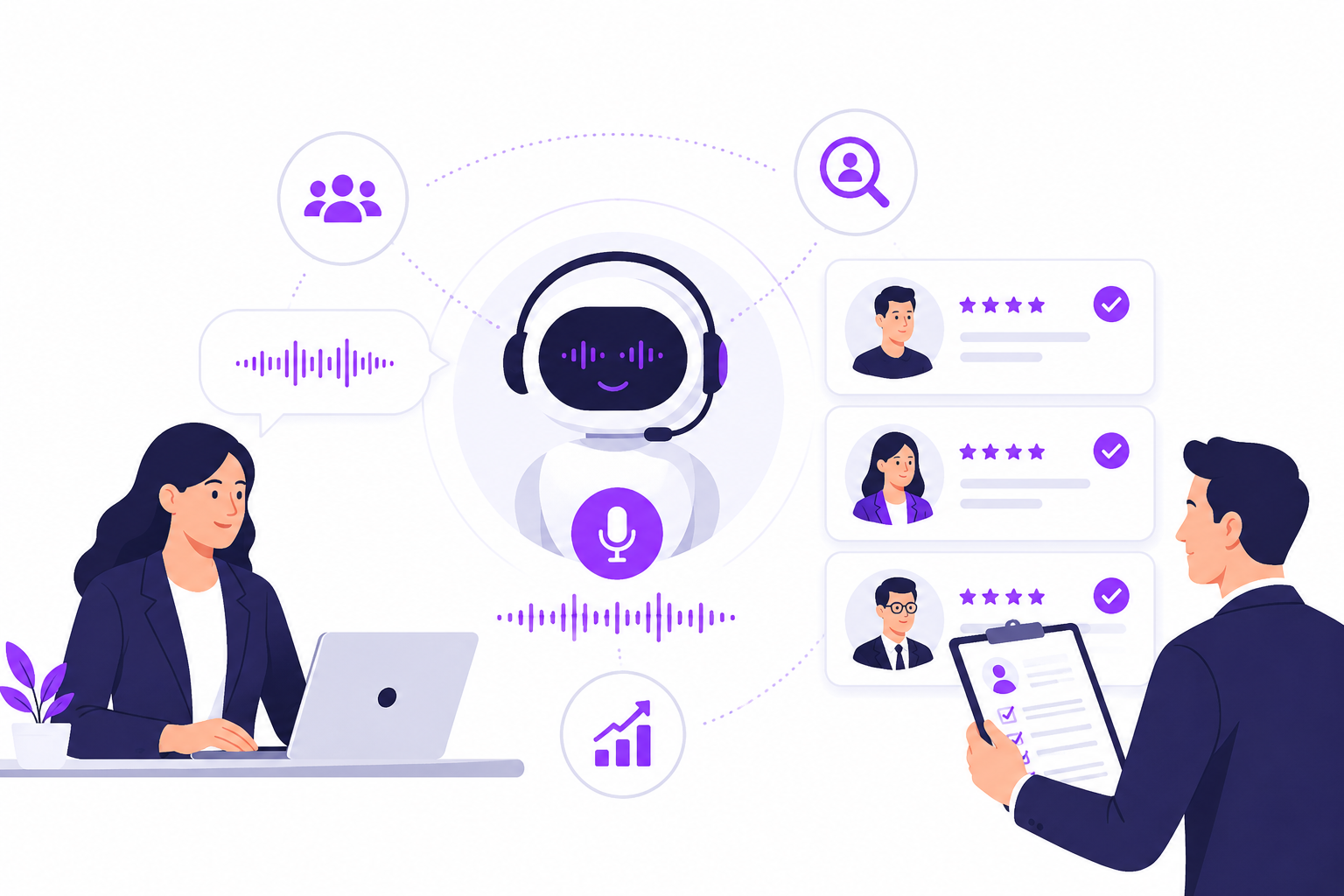
Voice AI systems are beginning to handle parts of the hiring process that previously depended entirely on recruiter availability. Instead of functioning as passive automation tools, modern enterprise AI voice agents can actively conduct screening conversations, coordinate interviews, answer candidate questions, and maintain engagement throughout the hiring process.
For many organizations, this represents a practical shift in how recruiting workflows operate at scale, which is why over 90% of Fortune 500 Chief Human Resource Officers surveyed by Gallup said they were using AI tools and technologies.
What Is Voice AI in Recruiting?
Voice AI in recruiting refers to AI-powered voice systems that interact directly with candidates during the hiring process.
These systems can:
- conduct screening conversations
- ask structured qualification questions
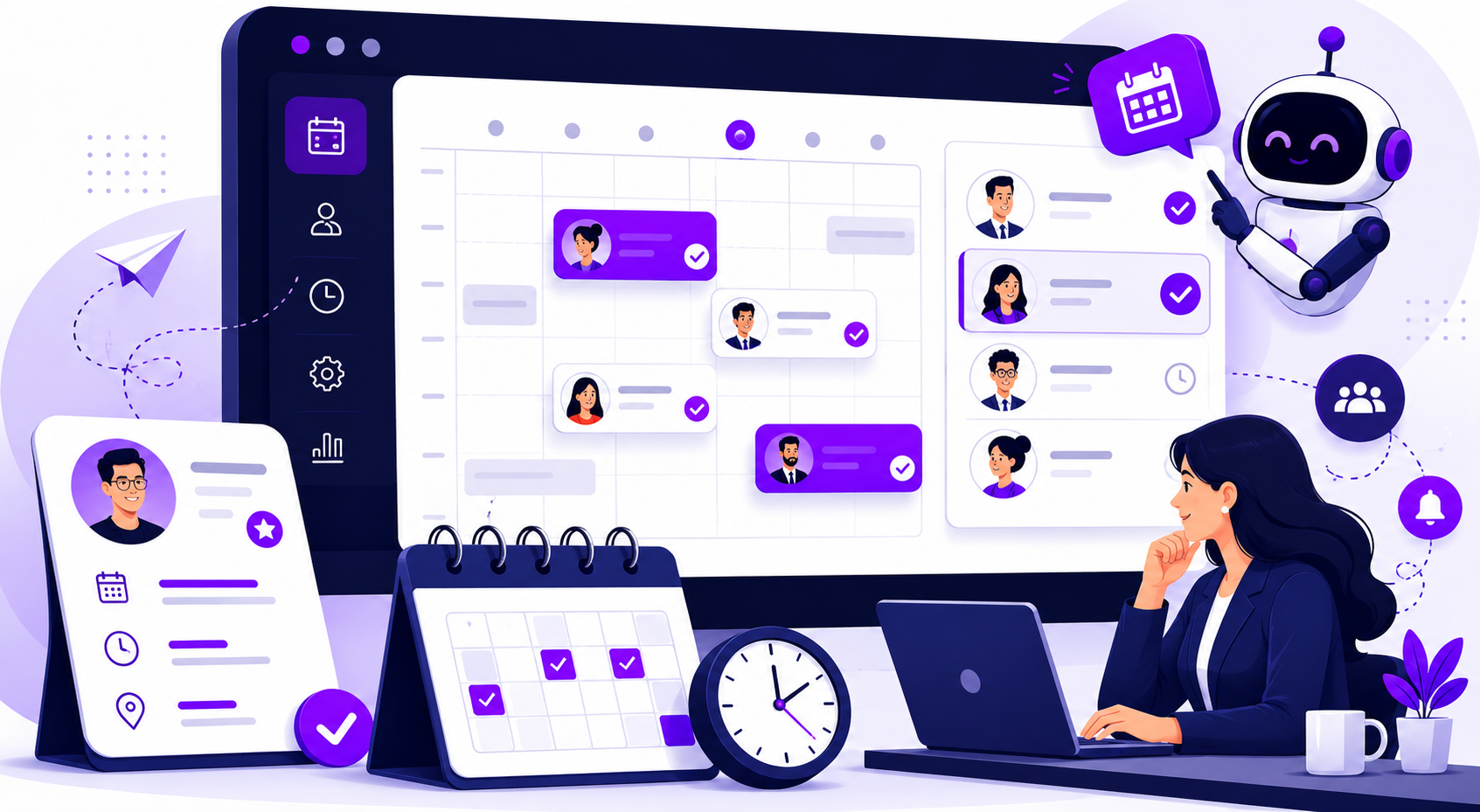
- schedule interviews
- provide hiring updates
- follow up with candidates automatically
Unlike older phone automation systems, modern voice AI platforms are conversational. Candidates can respond naturally, ask questions, and continue the interaction in a way that feels much closer to a live conversation.
Within enterprise recruiting environments, voice AI is increasingly used to support high-volume workflows where recruiter bandwidth becomes a limiting factor.
For example, an enterprise hiring team may receive hundreds or thousands of applications for frontline, healthcare, customer support, or staffing roles. Manually contacting every candidate quickly becomes difficult, especially outside standard business hours.
Voice AI helps bridge that gap by initiating immediate engagement (calling every applicant within minutes of their submission) and handling early-stage coordination automatically.
Benefits of Voice AI in Recruitment
The value of voice AI becomes much clearer when viewed through operational outcomes rather than abstract AI capabilities.
Most enterprise recruiting teams are not looking for "AI innovation" in the abstract. They are trying to improve hiring speed, recruiter efficiency, and candidate responsiveness in environments where delays have measurable consequences.
Faster Candidate Screening
One of the most practical uses of voice AI is instant candidate screening.
Instead of waiting for recruiters to manually review applications and begin outreach, voice AI systems can contact candidates immediately after they apply.
During these conversations, the AI can gather information such as:
- work authorization
- availability
- certifications
- shift preferences
- salary expectations
- notice periods
This reduces delays during the earliest stages of hiring and helps recruiters focus on candidates who already meet baseline requirements. For high-volume hiring teams, the difference can be substantial because candidates are engaged while interest is still high.
Better Candidate Engagement
Candidate engagement tends to weaken when communication becomes inconsistent.
Many hiring processes still involve long gaps between application, screening, scheduling, and follow-up. Candidates often interpret those delays as a signal that the process is stalled or that the organization lacks urgency.
Voice AI helps maintain continuity throughout the process.
Candidates can receive:
- real-time updates
- interview reminders
- scheduling confirmations
- follow-up communication
This is particularly useful in enterprise environments where recruiters manage large pipelines simultaneously.
Consistent communication also helps reduce:
- application abandonment
- candidate ghosting
- interview no-shows
Reduced Time-to-Hire
A surprising amount of hiring delay comes from coordination work rather than evaluation itself.
Scheduling interviews, rescheduling conversations, confirming availability, and following up with candidates can stretch timelines significantly, especially across multiple stakeholders and time zones.
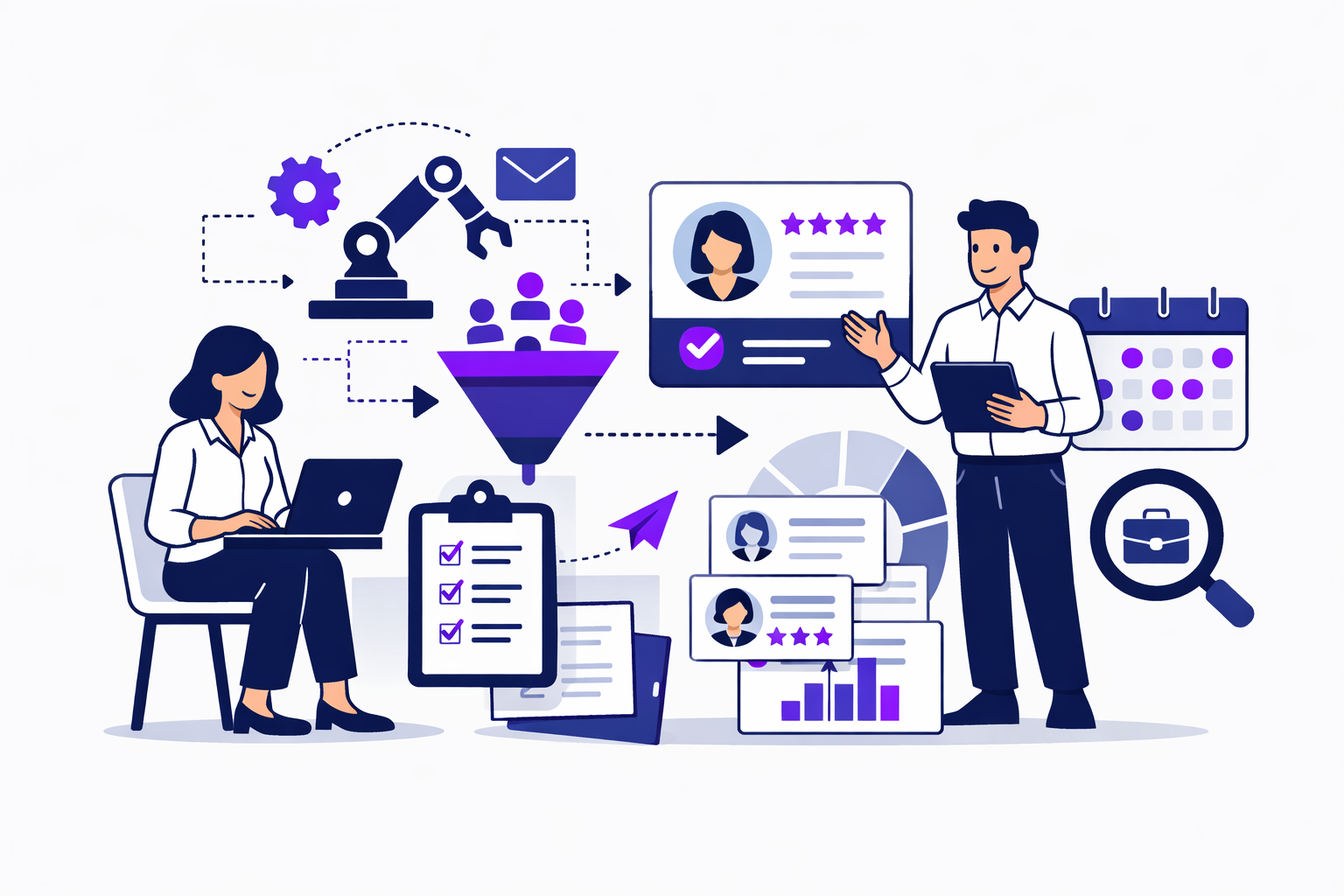
Voice AI systems automate much of this administrative coordination.
Candidates can schedule interviews conversationally, confirm availability, and receive reminders automatically. Hiring teams spend less time managing calendars and more time conducting meaningful interviews.
As a result, candidates move through the hiring funnel more quickly and with fewer interruptions.
Why Voice AI Is Suddenly Becoming Core to Enterprise Hiring
Several forces are pushing enterprise talent acquisition teams toward voice AI adoption.
First, hiring volume continues to rise across many industries, especially those managing contingent labor, frontline hiring, healthcare staffing, and distributed workforces.
Second, recruiter workloads have become increasingly difficult to scale efficiently. Adding recruiter headcount helps temporarily, though it often does not solve underlying workflow inefficiencies.
Third, candidate expectations have changed. Candidates now expect fast responses, clear communication, and streamlined processes similar to what they experience in other digital interactions (think of the difference in how long customers have to wait for online purchases to be delivered today compared to 20 years ago). Candidates expect a streamlined process in line with their everyday consumer experiences.
Voice AI addresses all three of these pressures simultaneously.
This is why voice AI is moving beyond "support automation" and becoming part of core recruiting operations.
Organizations are now using voice AI for:
- candidate screening
- interview scheduling
- recruiter coordination
- candidate engagement
- workflow automation
The operational benefits of voice AI technology is especially visible in high-volume hiring environments where manual coordination becomes difficult to sustain consistently.
The Biggest Enterprise Hiring Problems Voice AI Actually Solves
Interview Scheduling Bottlenecks
Interview coordination remains one of the more frustrating parts of enterprise recruiting.
Recruiters often spend hours managing:
- interviewer availability
- candidate scheduling conflicts
- rescheduling requests
- time zone coordination
Voice AI systems handle these conversations automatically and in real time.
Candidates can confirm availability conversationally while the system coordinates with connected calendars and scheduling workflows.
This reduces scheduling lag and shortens hiring timelines considerably.
Candidate Drop-Off During Early Screening
Many organizations lose candidates before recruiters ever speak with them directly.
Candidates apply, wait for follow-up, lose interest, or accept another opportunity before the process progresses.
Voice AI reduces this gap by initiating screening immediately after application submission.
The AI can evaluate:
- candidate intent
- role interest
- availability
- qualifications & real-world experience
- compensation expectations
This keeps candidates engaged during the period where drop-off risk is highest.
Recruiter Bandwidth Issues in Volume Hiring
High-volume hiring environments create workload patterns that are difficult to manage manually. For instance, a recruiter may need to contact dozens or hundreds of candidates daily while simultaneously managing interviews, submissions, and hiring manager communication.
Voice AI systems can conduct many conversations simultaneously without increasing recruiter headcount.
This allows recruiters to focus on:
- candidate evaluation
- relationship-building
- hiring decisions
- stakeholder coordination
rather than repetitive screening tasks.
Inconsistent Candidate Experience
Enterprise hiring processes often vary significantly depending on recruiter workload and responsiveness. Some candidates receive immediate communication while others wait days for updates. Voice AI introduces consistency across the process.
When candidates begin to receive immediate responses, reminders, scheduling assistance, hiring updates, and clear next steps (where previously there was just a 2 week silent void), that consistency improves the overall hiring experience while reducing operational gaps between recruiting stages.
What Enterprises Should Measure Before Investing in Voice AI
Voice AI adoption works best when organizations measure operational improvements clearly. Several metrics tend to matter most:
Time-to-Screen
How quickly are candidates contacted after applying?
This is one of the clearest indicators of hiring responsiveness.
Recruiter Productivity
How many candidates can each recruiter realistically manage?
Voice AI often improves throughput by reducing repetitive coordination work.
Interview-to-Offer Conversion
Are pre-screened candidates progressing successfully through later hiring stages?
This helps evaluate screening quality.
Candidate Response Rates
How do candidates respond to voice outreach compared to email or SMS communication?
Response speed and engagement quality often improve significantly with voice interaction.
Offer Acceptance and Joining Rates
Continuous communication throughout the hiring process can reduce late-stage drop-offs and improve candidate commitment.
How Curately Supports Enterprise Voice AI Recruiting
Curately's approach to voice AI focuses heavily on workflow integration rather than isolated automation.
Through Maya, Curately's Voice AI recruiter, enterprises can automate:
- first-touch candidate engagement
- screening conversations
- interview coordination
- follow-up workflows
Additionally, Maya integrates directly with existing ATS and recruiting workflows, allowing recruiting teams to maintain operational continuity instead of adding disconnected point solutions.
This becomes especially valuable in staffing, healthcare, and enterprise high-volume hiring environments where responsiveness directly impacts hiring outcomes.
Conclusion
Voice AI is becoming part of core enterprise recruiting operations because it addresses practical workflow problems that have existed for years.
Recruiters still play the central role in hiring decisions, candidate relationships, and stakeholder management. Voice AI primarily handles the coordination and communication work that slows hiring teams down at scale.
Organizations seeing the strongest results are using voice AI to reduce friction throughout the hiring process rather than simply automating conversations.
That distinction matters because hiring speed depends heavily on how smoothly candidates move between stages, how consistently they stay engaged, and how effectively recruiting teams can operate under growing hiring demands.
Frequently Asked Questions
What is enterprise voice AI in recruiting?
Enterprise voice AI refers to AI-powered voice systems that automate recruiting workflows such as candidate screening, scheduling, follow-ups, and hiring communication.
How does voice AI improve talent acquisition?
Voice AI helps reduce hiring delays by automating repetitive coordination tasks, improving candidate engagement, and accelerating early-stage screening workflows.
Can voice AI replace recruiters?
Voice AI supports recruiters by handling repetitive administrative workflows. Recruiters remain responsible for candidate evaluation, hiring decisions, and relationship management.
What industries benefit most from voice AI recruiting?
Voice AI is especially effective in healthcare staffing, contingent workforce management, frontline hiring, customer support hiring, and other high-volume recruiting environments.
What should enterprises measure before implementing voice AI?
Organizations should track metrics such as time-to-screen, recruiter productivity, candidate response rates, interview-to-offer conversion, and offer acceptance rates.
What is the best voice AI for recruiting?
Many recruiting teams are evaluating voice AI recruiters and AI voice agents right now, especially for high-volume hiring and enterprise talent acquisition workflows. Curately's Maya stands out because it was designed for talent acquisition workflows specifically rather than generic conversational AI. Unlike standalone voice bots, Maya operates as part of a broader, fully integrated AI recruiting workflow that connects sourcing, engagement, screening, and coordination inside a single platform.