Why Candidate Drop-Off Happens—And How AI Helps Improve Retention
Recruiters spend significant time and resources sourcing candidates, only to watch many disappear before an offer is ever made. This phenomenon, called candidate drop-off (or attrition), is one of the most persistent inefficiencies in hiring. Understanding why it happens, where in the process candidates disengage, and how AI-driven automation can address these issues is essential for any organization looking to improve hiring outcomes.
Where Candidate Drop-Off Occurs
Drop-off happens at multiple stages of the hiring process, but certain points see higher rates of abandonment:
Application Stage
Long, complex applications discourage candidates from completing submissions. Many will abandon an application if it takes more than 10–15 minutes.
Initial Screening & Response Delays
Candidates expect near-instant feedback. If they don’t hear back within a few days, they often move on.
Interview Scheduling & Coordination
Lengthy scheduling cycles, excessive interview rounds, and lack of flexibility drive candidates away.
Offer & Negotiation
Poor communication, delayed decisions, or unattractive offers lead to late-stage drop-offs.
Each of these stages presents an opportunity to optimize engagement and reduce attrition.
Why Candidates Disengage
Candidate drop-off isn’t random. It’s usually the result of friction in the hiring process. The most common reasons include:
Poor Communication
Candidates who feel left in the dark are more likely to accept competing offers.
Unclear Expectations
If job details, salary ranges, or role responsibilities are ambiguous, candidates hesitate to proceed.
Lengthy Hiring Timelines
The longer the process, the higher the risk of losing candidates to more responsive employers.
Lack of Personalization
Generic messaging, slow follow-ups, and impersonal interactions fail to keep candidates engaged.
Addressing these issues requires a structured approach to candidate engagement—one that leverages automation without sacrificing a human-first, personalized experience.
How AI Reduces Candidate Drop-Off
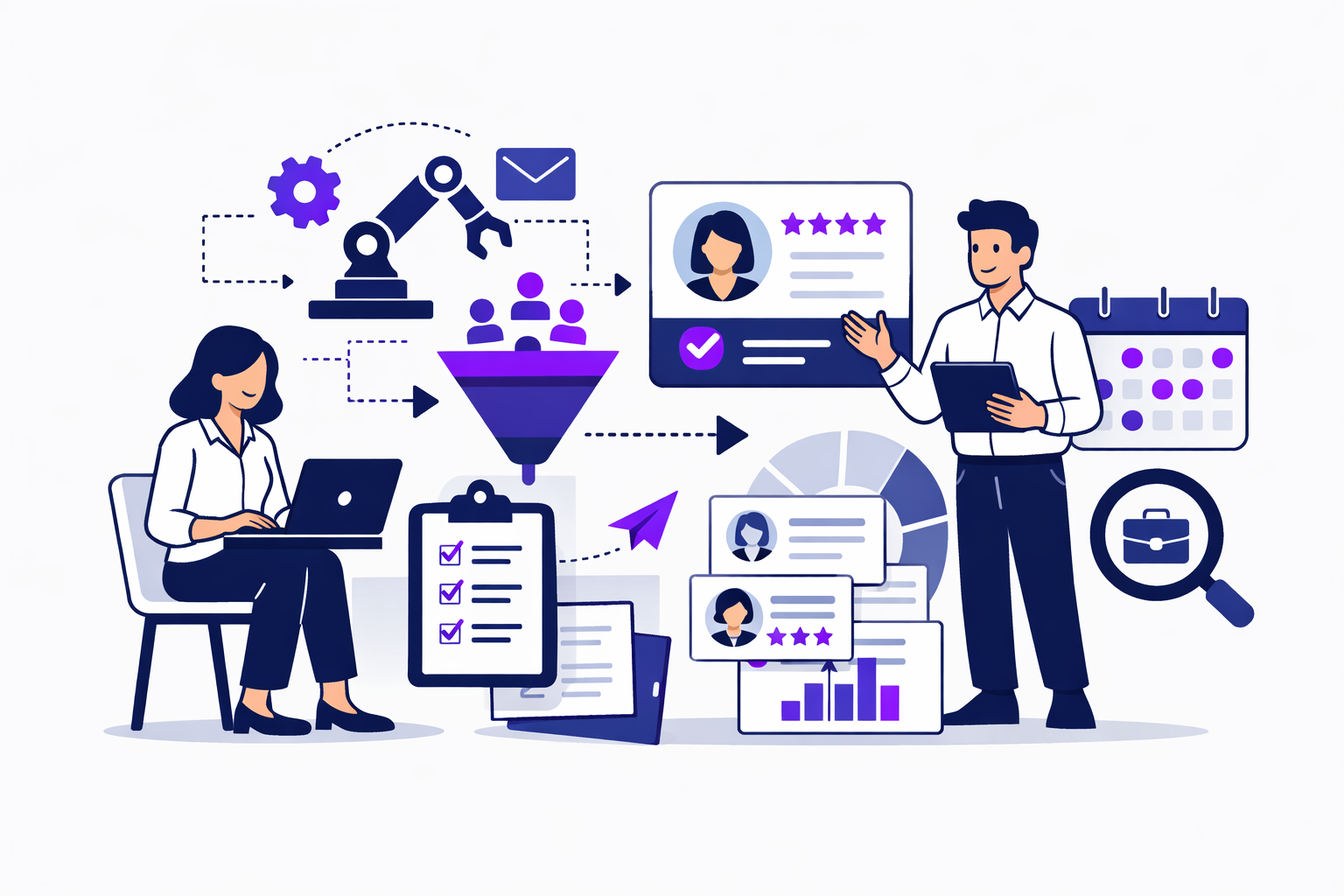
AI-driven hiring solutions help streamline workflows, reduce delays, and enhance engagement at every stage of the hiring process. Here’s how:
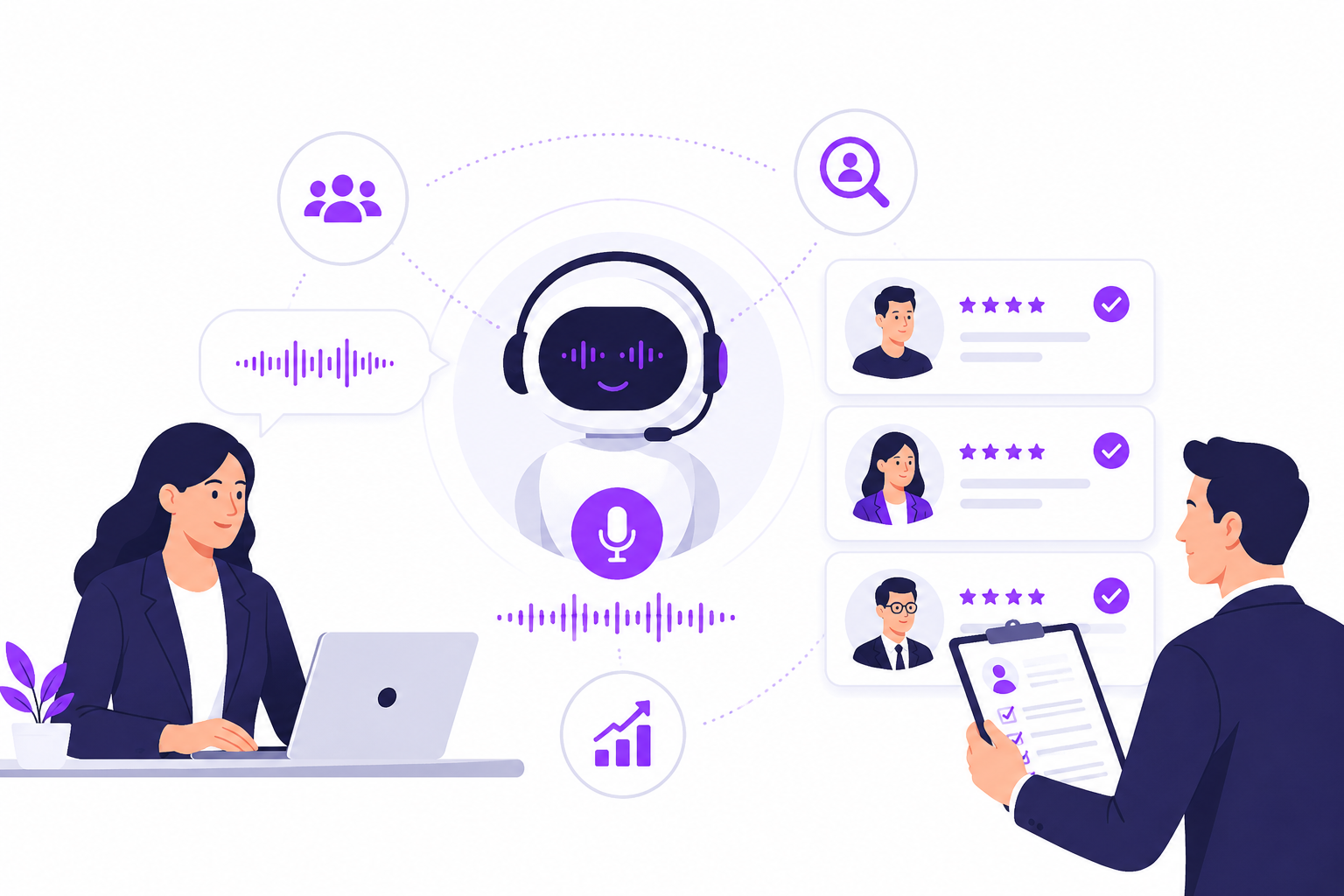
Instant Screening & Response
Voice AI recruiters can conduct real-time phone screenings, assess qualifications, and provide immediate feedback—eliminating the "black hole" effect that frustrates candidates.
Automated Follow-Ups
AI-driven messaging systems send timely updates, interview reminders, and next-step notifications, ensuring candidates remain engaged.
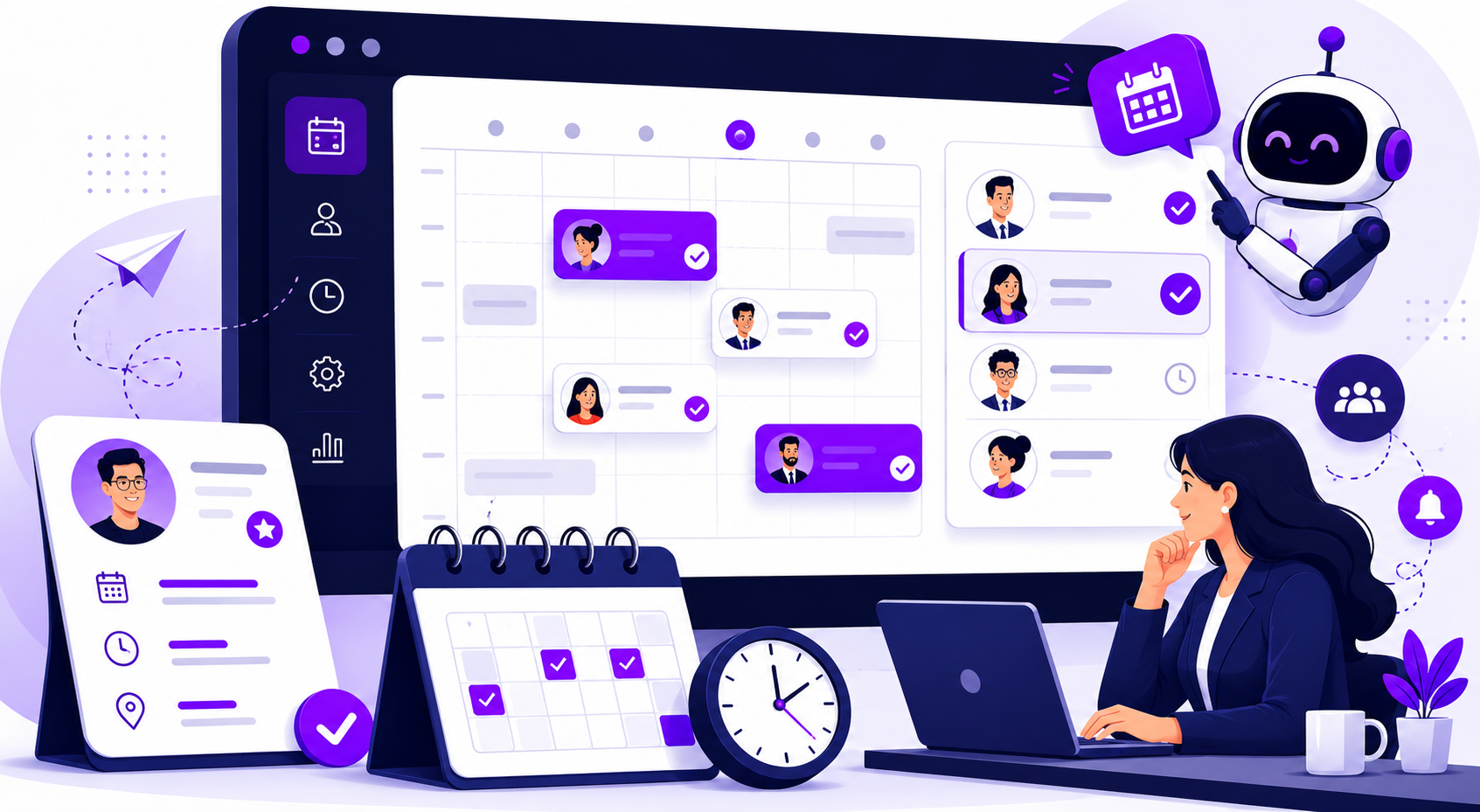
Intelligent Interview Scheduling
AI-powered scheduling tools coordinate availability between recruiters and candidates in real time, reducing back-and-forth emails.
Data-Driven Insights
AI analytics track where drop-offs occur, allowing companies to pinpoint bottlenecks and refine their hiring strategy.
By reducing friction and maintaining proactive engagement, AI helps organizations keep top talent interested and invested in the hiring process.
The Bottom Line
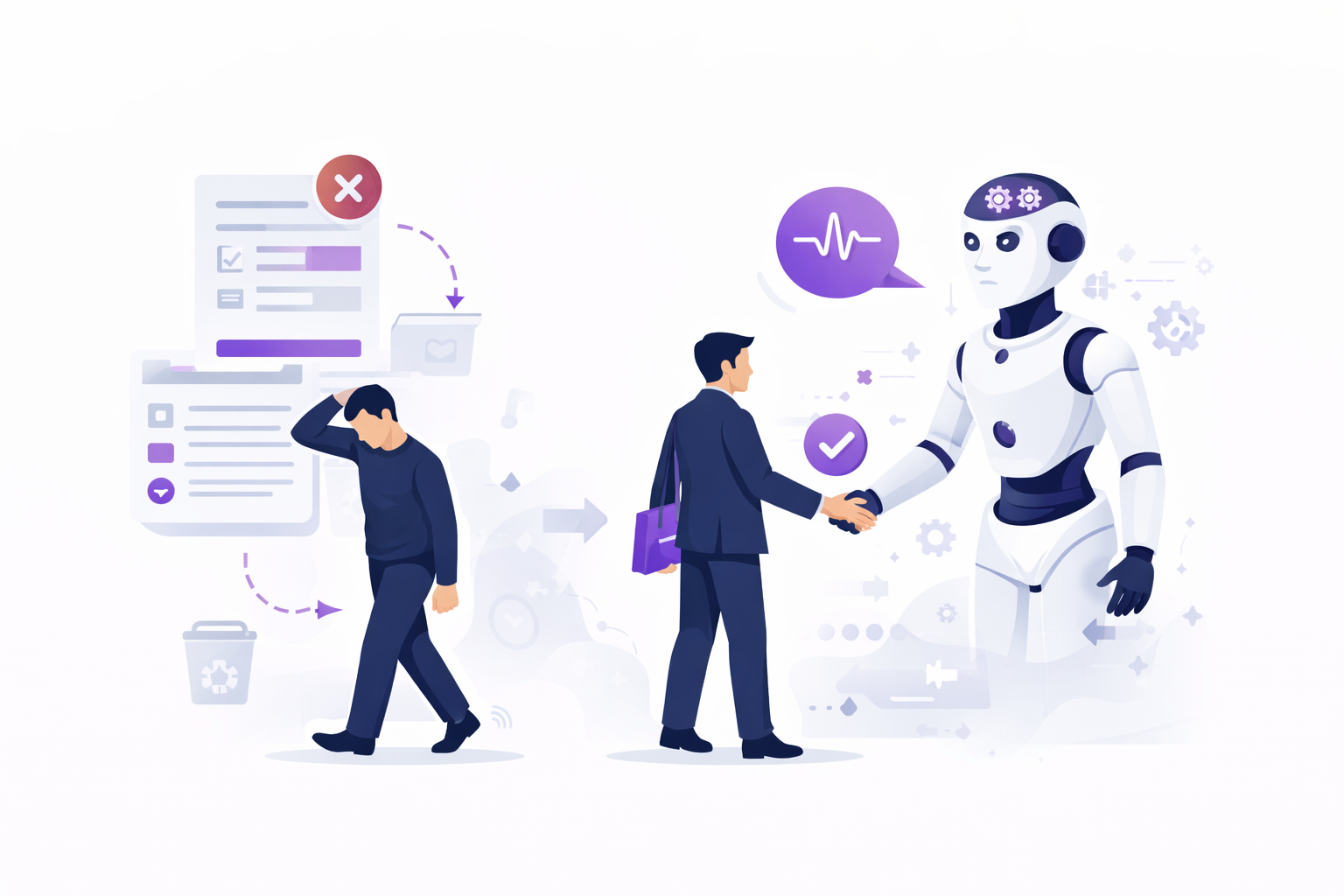
In short, candidate attrition is a revenue and productivity drain. Organizations that fail to address it risk losing high-quality candidates to competitors. AI-driven automation isn’t about replacing human interaction; it’s about making the hiring process more responsive, efficient, and candidate-friendly. The companies that recognize this and adapt accordingly will secure better talent, faster.
To learn more, talk to one of our experts today!