
There's a weird moment that happens to most recruiters at some point.
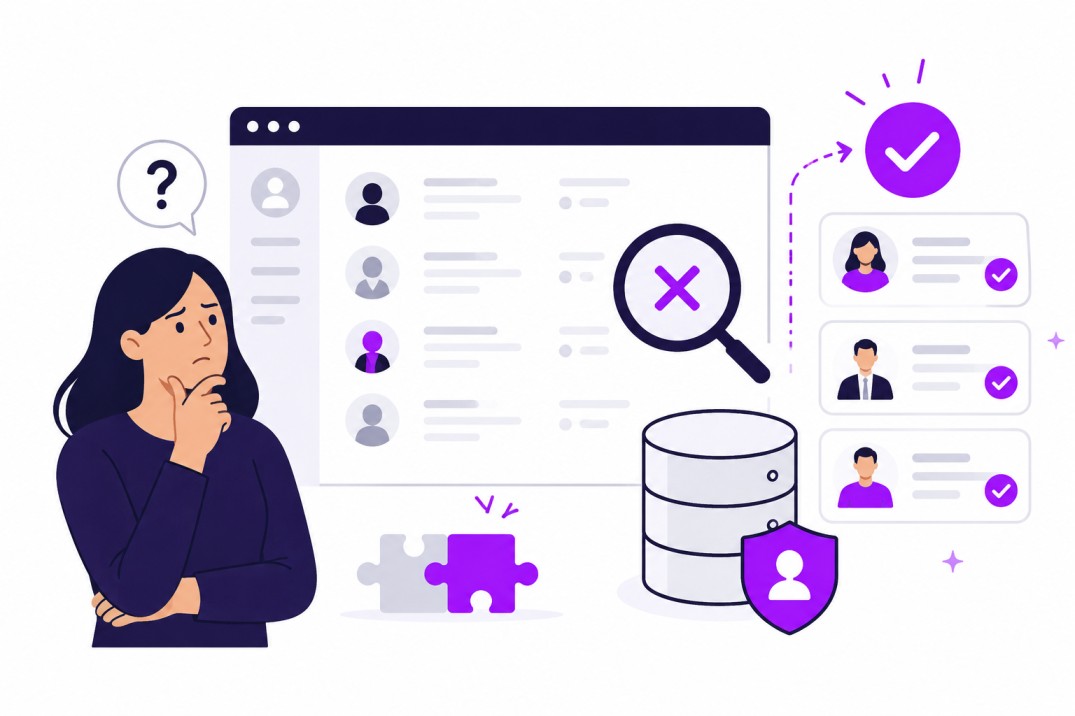
First, you post a job. Then applications start to come in. A lot of them, actually. You scroll through resumes and realize something is off. There are plenty of candidates, but very few of them are the right candidates.
In short, volume is not the same as access.
This is why more teams are asking a very specific question now: how to source candidates without job boards. Not because job boards don't work, but because they only show you one slice of the talent market. The part where candidates are actively applying to new roles (either because they are currently unemployed or are actively seeking to leave their current employer).
The rest of the market is still out there. You just have to go find it.
What Is a Source of Recruitment?
A source of recruitment is simply where candidates come from.
That might sound obvious, but it matters more than it seems. The source determines not just how many candidates you get, but what kind of candidates you get.
In the recruitment process in HRM, sourcing is the step where you decide where to look for talent. Everything that happens later — screening, interviewing, hiring — depends on the quality of that initial input.
If your sources are limited, your outcomes are limited.
Types of Sources of Recruitment
When people ask what are the sources of recruitment, the answer usually falls into two categories.
Internal Sources of Recruitment
These are candidates who already exist within your organization or ecosystem.
Examples include:
- employee referrals
- internal mobility or promotions
- previous applicants stored in your ATS
- alumni or past employees
Internal sources are often faster and more reliable because there is already some level of familiarity.
External Sources of Recruitment
These include candidates outside your organization.
Common examples:
- job boards
- social media platforms
- professional communities
- networking events
- direct sourcing
In an effort to accurately explain the external sources of recruitment in a simple sentence, external sourcing is where most innovation is happening, especially as recruiters move beyond job boards.
How to Source Candidates Without Job Boards
If job boards are just one option, what does the rest of the landscape look like?
It turns out there are a lot of places where talent exists, and most of them are not designed for recruiting.
1. Your Existing Candidate Database
Most recruiting teams already have a treasure trove of candidates sitting in their ATS.
It's critically important not to overlook this wealth of silver medalists and previously engaged candidates just because they may have not been selected for a role previously. Candidates who were not a fit six months ago might be perfect now. Skills evolve. Roles change. Availability shifts.
Going back into your database and re-evaluating candidates often produces faster results than starting from scratch.
2. Employee Referrals (Done Thoughtfully)
Referrals work well when they are specific.
Instead of asking, "Do you know anyone?", try asking, "Who is the best person you have worked with in this role?"
That small change produces better results because it focuses on quality, not quantity.
3. Online Communities and Niche Platforms
Candidates spend time in places that have nothing to do with job searching.
Developers use GitHub. Designers share work on portfolio platforms. Professionals gather in Slack groups, Discord servers, and industry forums.
These environments provide context you won't get from a resume.
You can see:
- what candidates build
- how they communicate
- what they care about
That information is often more useful than a job title, especially when looking to fill experienced technical roles.
4. Social Media (Used Properly)
Ironically, social media sourcing works best when it doesn't feel like sourcing.
Posting useful content, participating in conversations, and building visibility tends to attract candidates over time. However this does involve a good amount of time commitment. Social media sourcing is less about immediate results and more about long-term presence.
5. Events and Meetups
In-person and virtual events create opportunities to connect with candidates who are not actively applying anywhere.
These conversations tend to feel more natural because they start around shared interests rather than job openings.
6. Passive Candidate Outreach
A large portion of strong candidates are not actively looking for jobs. In fact, up to 40% of the workforce are passive candidates.
They might be open to the right opportunity, but they are not browsing job boards as they are happily employed.
Reaching out directly requires:
- relevance
- timing
- clarity
Generic messages tend to be ignored. Personalized outreach performs better, especially when it reflects something specific about the candidate. Remember, if you're pursuing passive candidates, they're the ones evaluating you, and it's critical to provide them with a compelling reason to choose your organization over their current employer.
7. Internal Talent Pools
Some teams build structured talent pools for specific roles or skill sets.
These are curated groups of candidates who have already been evaluated and can be re-engaged when new roles open.
This reduces reliance on external sourcing channels.
AI Sourcing in Recruitment
At some point, manual sourcing runs into a scale problem.
There are too many candidates, too many variables, and too little time to evaluate everything effectively.
This is where AI sourcing tools come in.
What AI Sourcing Actually Does
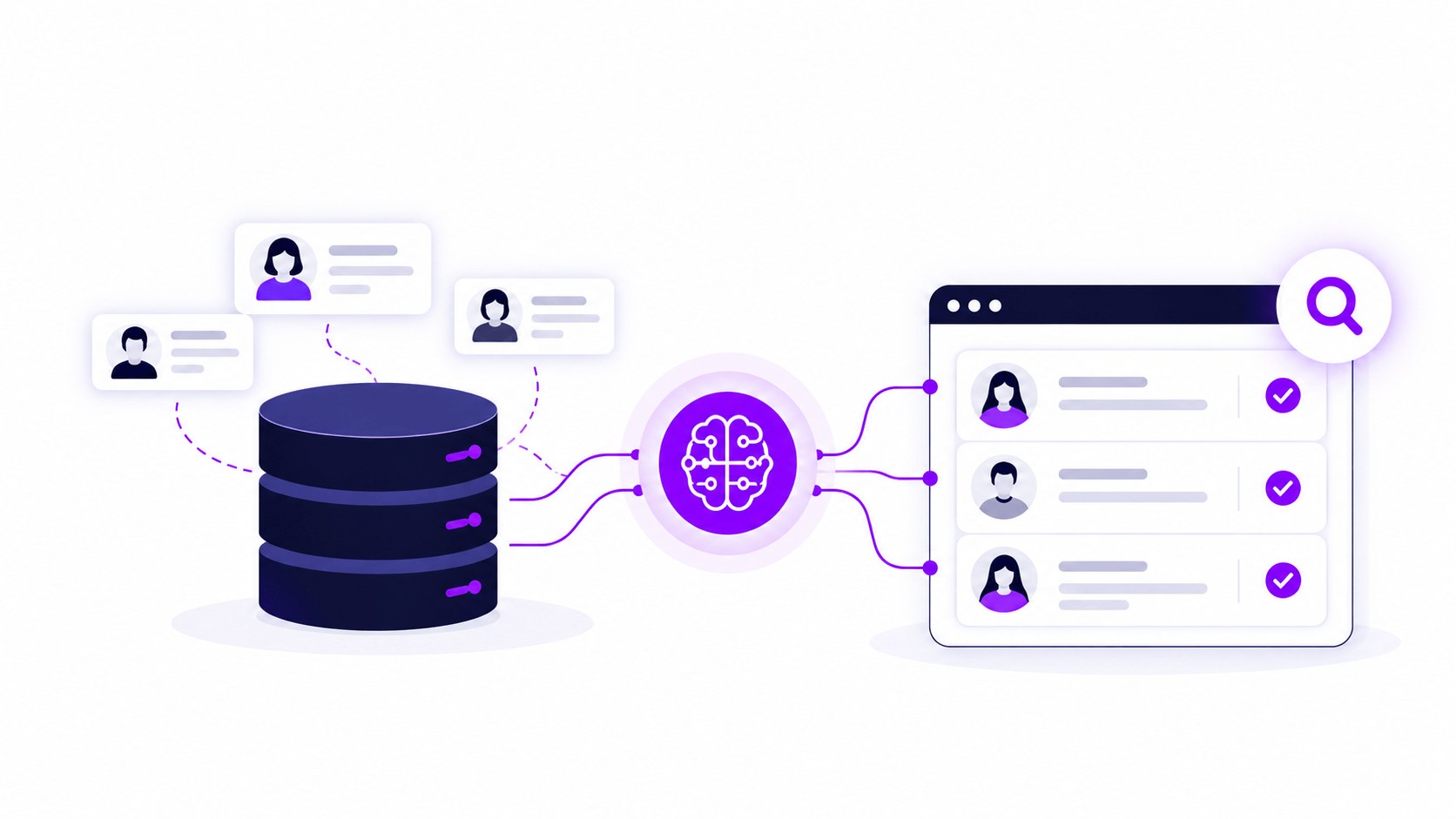
Instead of relying on keyword matching, AI sourcing tools interpret intent through natural language searches.
A recruiter can describe a candidate just like they would to a colleague, something like:
"Senior backend engineer with Python experience and exposure to distributed systems."
The system then:
- identifies relevant candidates
- accounts for similar roles and transferable skills
- surfaces matches that might not appear in a traditional search
This expands the pool of candidates significantly.
It becomes even more valuable when sourcing outside job boards, where data is less structured. Candidates may not have updated resumes, and their experience is often spread across multiple platforms. AI sourcing helps connect these fragmented signals and surface better matches. For a deeper comparison, see our guide on Boolean search vs AI sourcing.
How Curately Fits Into This
Curately's AI sourcing platform is designed for this kind of workflow.
Recruiters can:
- search using natural language instead of Boolean strings
- refine results with follow-up prompts
- filter candidates based on must-have and nice-to-have skills
The system continues to adjust based on input, which makes the process more interactive.
It also integrates with engagement tools, so sourcing and outreach happen within the same workflow on a unified platform.
That reduces the gap between finding candidates and actually connecting with them — and helps teams reduce time-to-fill significantly.
Conclusion
Job boards are not going away.
They still play a role in the process of recruitment, especially for roles where active applicants are a good fit.
But they are no longer enough on their own.
The strongest candidates often exist outside those channels. They are in communities, networks, and databases that require a different approach.
Sourcing without job boards is not about replacing one tool with another.
It's about expanding where you look and how you think about access.
Once you do that, the hiring process starts to feel a lot less like searching for something hidden and a lot more like working with information that was already there.