
Time-to-fill rarely stretches out because of one major failure. Instead, it expands gradually, one delay at a time. A recruiter waits a day to follow up. A hiring manager takes two days to review resumes. Scheduling an interview turns into a small coordination project involving three calendars and a string of polite emails.
None of these steps look particularly harmful on their own. But together, they turn a two-week hiring process into a six-week one.
This is where the discussion around AI recruiting tools that reduce time-to-fill becomes more interesting. The value they provide does not come from the label "AI." Rather, it comes from how these tools interact with real workflows, where delays tend to accumulate. Organizations like McDonald's even report a reduction in time-to-hire of 60% by implementing AI and automation in the hiring process. This guide focuses on those friction points and how modern AI recruitment software addresses them in practice.
Where Time-to-Fill Actually Gets Delayed in Hiring
Manual Follow-Ups Slow Down Hiring
Recruiters spend a surprising amount of time following up with candidates.
A typical sequence involves sending an initial message, waiting for a response, sending a reminder, then waiting again. When this process is handled manually, gaps appear between each step.
A candidate who might have responded quickly ends up drifting away simply because the timing was off. Multiply that across dozens of candidates, and the pipeline slows noticeably.
Recruitment automation tools and candidate engagement platforms reduce this lag by maintaining consistent communication without relying on manual effort. In fact, according to SHRM, 85% of organizations use AI and Automation in their recruitment process because it saves them time & improves efficiency.
Interview Scheduling Delays
Scheduling interviews often becomes a negotiation between calendars.
A recruiter suggests times. The candidate responds with conflicts. The hiring manager proposes alternatives. The process repeats until a slot appears that works for everyone.
Even when all parties are motivated, this back-and-forth can take several days.
Automated interview scheduling removes that coordination loop by allowing candidates to book directly into available slots. The difference is not dramatic in a single instance, though across multiple roles it reduces a significant amount of waiting time.
Candidate Drop-Offs Increase Time-to-Fill
Candidates tend to lose interest when communication slows down.
A delayed response or lack of updates creates uncertainty. Candidates interpret that uncertainty as a signal and move on to other opportunities.
This leads to a hidden cost. Recruiters must return to sourcing and restart parts of the process, which extends time-to-fill further.
Maintaining engagement is directly tied to hiring speed. When candidates remain responsive, the process moves forward without interruption.
Fragmented Tools Reduce Hiring Efficiency
Many hiring teams operate across several disconnected systems.
Sourcing happens in one platform. Communication happens in another. Scheduling is handled separately. Each transition requires manual updates, which introduces delays and occasional errors.
AI recruitment software that consolidates these functions into a single, integrated platform reduces duplication of work and keeps information consistent across stages.
How AI Recruiting Tools Reduce Time-to-Fill by 60%
Automating Candidate Communication and Follow-Ups
An AI hiring platform can respond to candidates immediately after they apply or are sourced.
It can send follow-ups, reminders, and updates based on predefined triggers. This keeps the process active without requiring constant attention from recruiters.
From the candidate's perspective, the process feels responsive. From the recruiter's perspective, the pipeline continues moving even when attention is focused elsewhere.
Using Automated Interview Scheduling to Move Faster
With automated scheduling, candidates select interview times from available slots instead of negotiating availability.
This removes the delay between invitation and confirmation. Interviews can be scheduled within hours rather than days.
This change alone can shorten hiring timelines significantly, especially in high-volume environments.
Keeping Candidates Engaged Throughout the Hiring Process
Candidate engagement platforms maintain consistent communication across the entire process.
Candidates receive updates, reminders, and confirmations without needing to ask for them. This continuity keeps candidates informed and reduces the likelihood of disengagement.
A hiring pipeline with steady engagement tends to move more smoothly. Each stage connects to the next without unnecessary pauses.
Reducing Errors and Rework with Automation
Errors in hiring workflows often appear late in the process.
Missing information, misaligned expectations, or incomplete screening can require revisiting earlier stages.
Automation helps surface these issues earlier. Screening criteria can be applied consistently. Data is captured in a structured way.
This reduces the need to repeat steps and prevents delays that come from correcting avoidable mistakes.
Best AI Recruiting Tools That Help Reduce Time-to-Fill
Candidate Engagement and Communication Tools
These tools focus on maintaining communication with candidates.
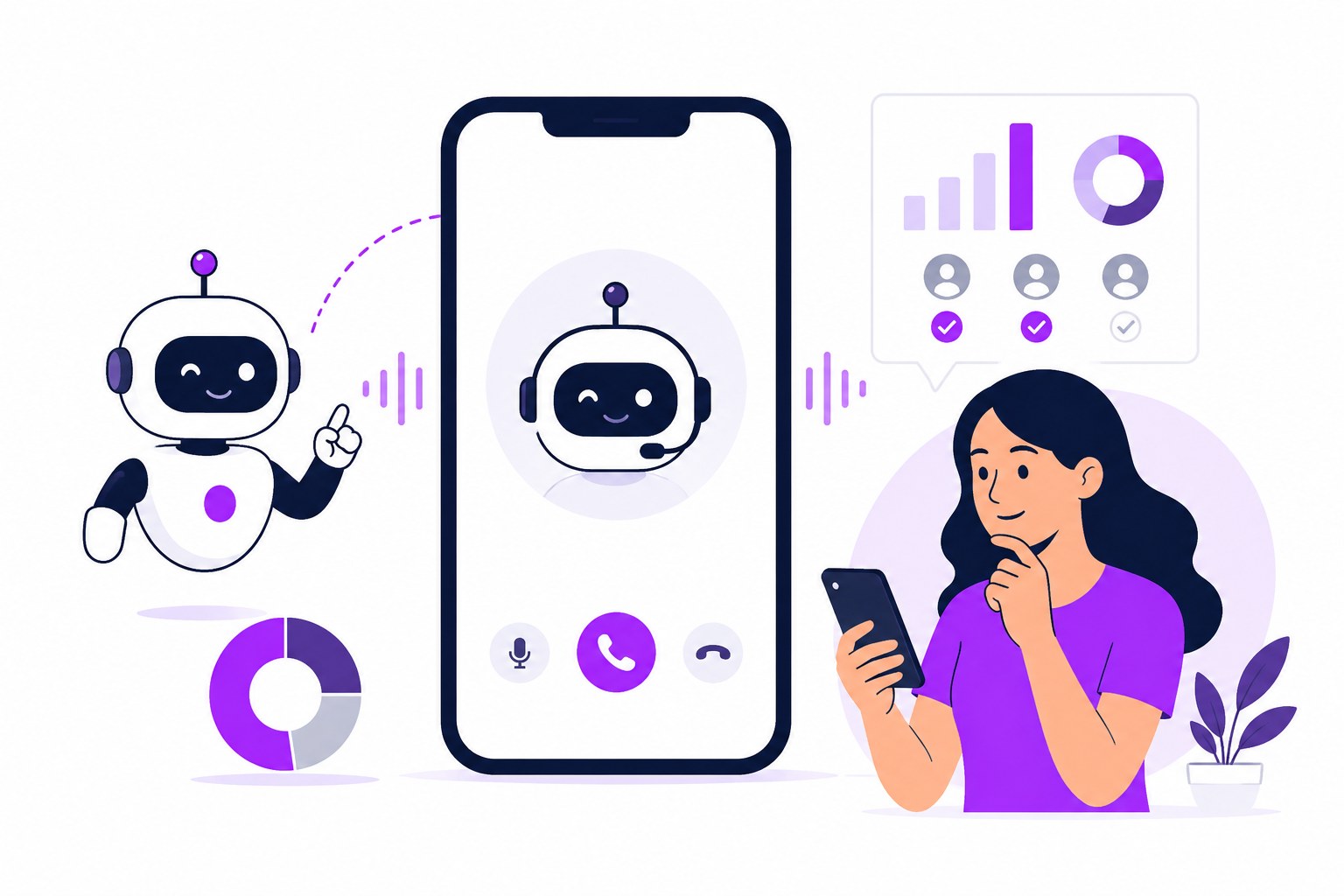
They include messaging platforms, chatbots, and voice AI systems that handle outreach and follow-ups. Their primary contribution is speed. Candidates receive responses quickly, which keeps conversations active.
Interview Scheduling Automation Tools
Scheduling tools integrate with calendars and allow candidates to book interviews directly.
They remove coordination delays and ensure that available time slots are used efficiently.
End-to-End AI Hiring Platforms
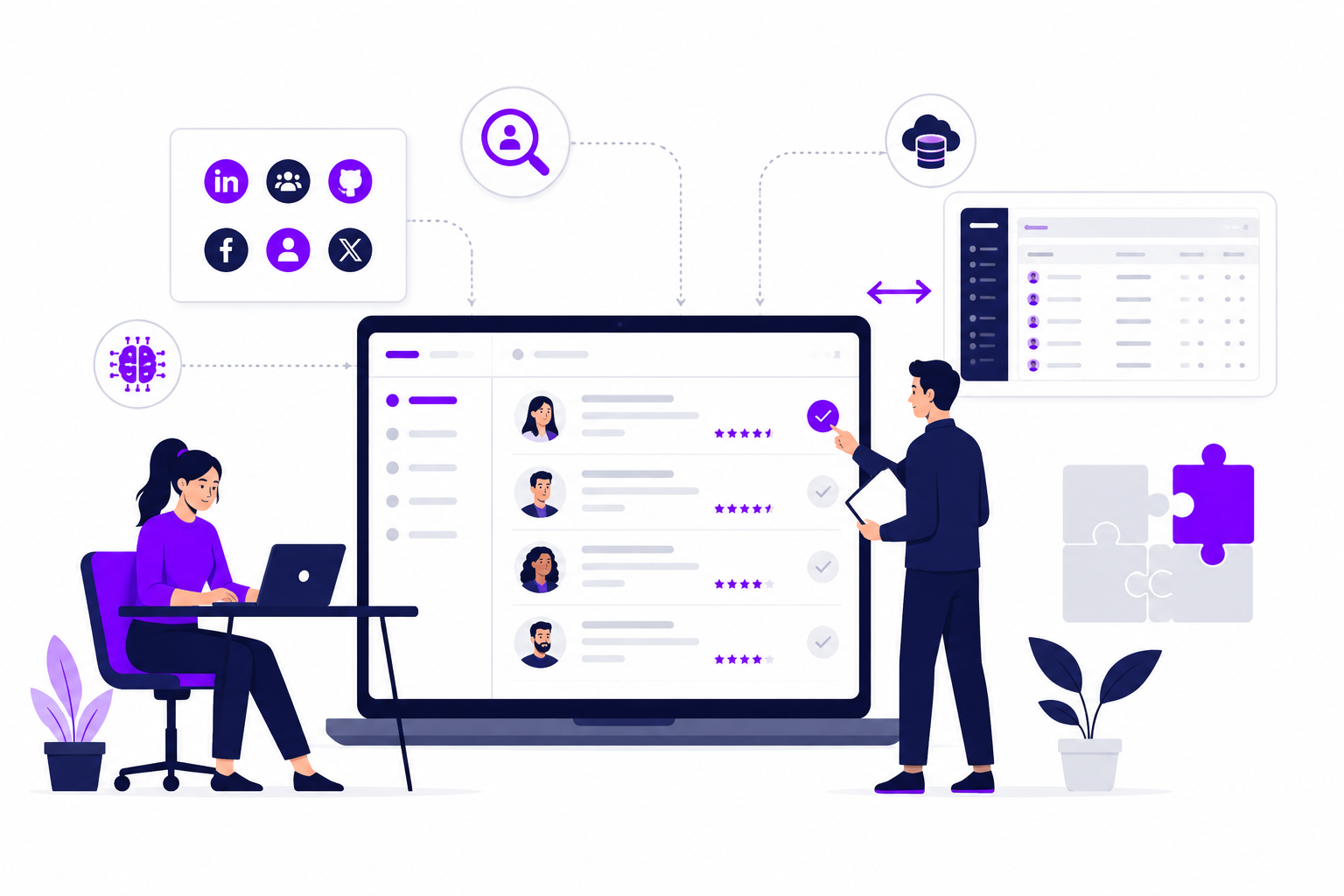
End-to-end platforms combine sourcing, AI-powered screening, engagement, and scheduling into a single system.
This reduces the need to switch between tools and helps maintain consistency across the hiring process.
Platforms like Curately fall into this category. Recruiters can source candidates using natural language, engage them through automated communication, and move them through the hiring process without rebuilding context at each stage.
Real Benefits of Using AI Recruiting Tools
Faster Time-to-Hire and Reduced Time-to-Fill
Automation reduces delays between steps.
Candidates move through the pipeline with fewer interruptions, which shortens overall hiring timelines.
Improved Hiring Efficiency and Recruiter Productivity
Recruiters spend less time on repetitive tasks such as follow-ups and scheduling.
This allows more focus on evaluation and decision-making.
Better Candidate Experience and Higher Response Rates
Consistent communication and faster responses improve how candidates experience the hiring process.
Engaged candidates are more likely to respond and complete each stage.
How to Choose AI Recruiting Tools That Reduce Time-to-Fill
Look for Automation That Handles Real Work
Some tools provide insights without taking action. That's not what you want. A tool that identifies delays is not as useful as a tool that removes those delays and has a direct impact on hiring outcomes.
Choose an End-to-End AI Hiring Platform
Using multiple tools introduces complexity and creates the possibility of dropped data and other errors. An integrated platform reduces handoffs and keeps the workflow consistent.
Prioritize Candidate Engagement and Speed
Communication speed influences every stage of hiring.
Tools that maintain fast and consistent engagement contribute directly to reduced time-to-fill. For high-volume hiring teams, that engagement layer is often the single biggest lever on overall hiring speed.
Conclusion
Time-to-fill is shaped by how quickly each step in the hiring process connects to the next.
Delays tend to accumulate in small increments. Removing those increments changes the overall timeline.
AI recruiting tools are most effective when they address these specific points of delay. Communication becomes more consistent. Scheduling becomes immediate. Candidate engagement continues without interruption.
The result is a hiring process that moves forward without needing constant manual intervention.
Frequently Asked Questions
What AI recruiting tools reduce time-to-fill?
AI recruiting tools that reduce time-to-fill include candidate engagement platforms, automated interview scheduling tools, and end-to-end AI hiring platforms that combine sourcing, screening, and communication.
How do AI recruiting tools improve hiring speed?
They automate communication, reduce scheduling delays, and maintain candidate engagement, which helps move candidates through the hiring process more quickly.
Can AI recruiting tools reduce time-to-hire by 60%?
They absolutely can. Specific time-to-hire improvements depend on how tools are implemented. Significant reductions are possible when automation addresses key delays such as follow-ups, scheduling, and screening.
What features should you look for in AI recruitment software?
Look for automation capabilities, integrated workflows, candidate engagement tools, and scheduling features that reduce manual effort and improve process consistency.
Are AI recruiting tools suitable for high-volume hiring?
Yes. AI recruiting tools handle large volumes of candidates efficiently by automating communication, screening, and scheduling, which helps maintain speed and consistency.